Beaning In the New Year

1 Comment

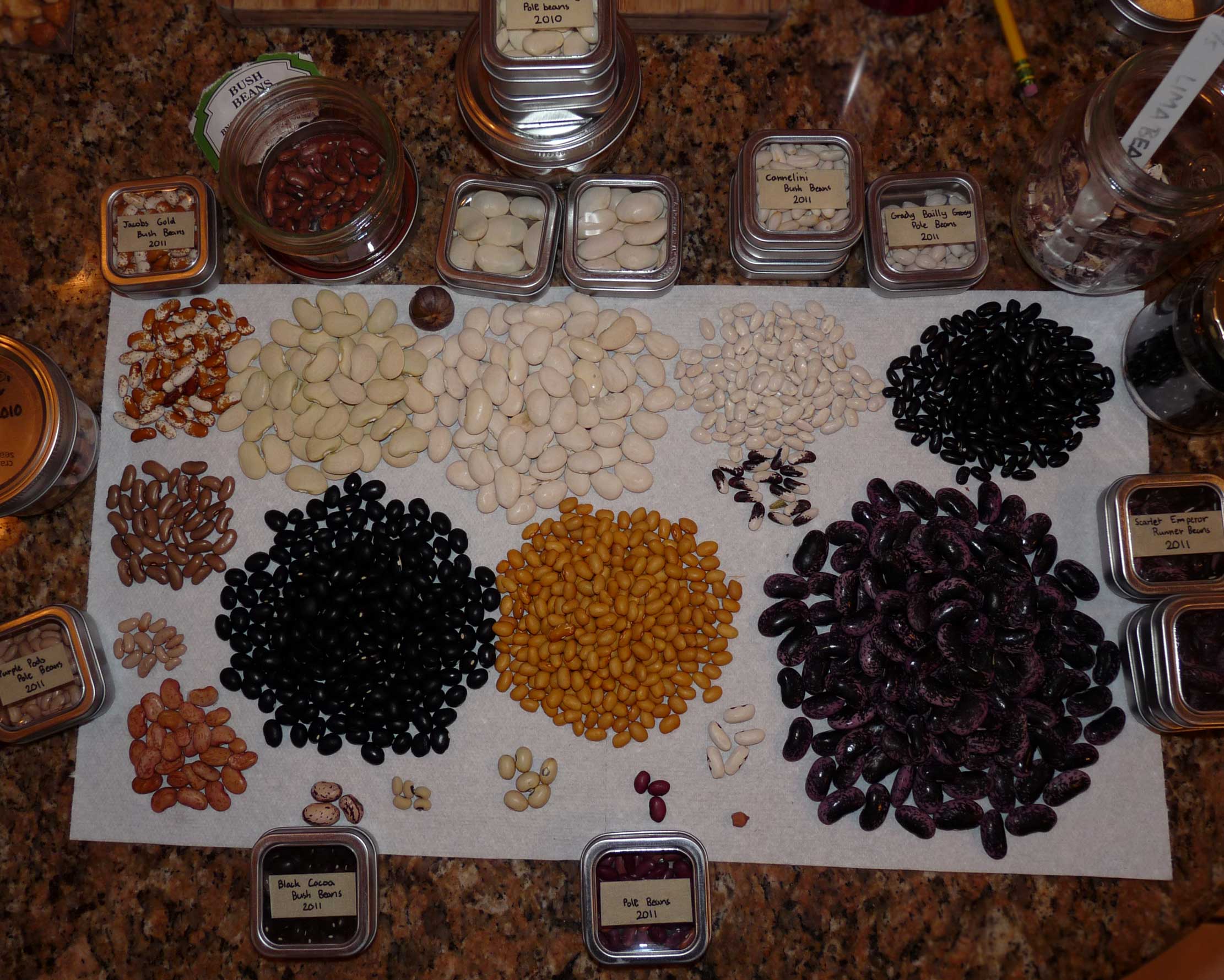
Home grown dried beansIt’s done! In honor of the New Year I have finally shelled, frozen, sorted and stored all the beans from the 2011 growing season. Well, all the ones we didn’t eat, that is. We’ve already made chili with 2 cups of the ‘Scarlet Emperor’ beans and had baked beans out of another cup of the ‘Jacob’s Cattle’ beans.

We grew a mix of pole and bush drying beans, runner beans and garbanzo beans. What you see here is ‘White Emergo’ at twelve o’clock, with cut-short greasy beans to their right. The top right corner are ‘Cherokee Trail of Tears’ pole black beans and below them are the ‘Scarlet Emperor’ runner beans we like so much. The big pile in the center is ‘Yellow Indian Woman’ bush beans. I want to try them in this soup recipe. The black beans on the left are ‘Black Coco’ bush beans from Bountiful Gardens. I wanted to try them because Carol Deppe talks about them in the Resilient Gardener. I’m planning to eat half of them and save the other half for seed, unless we don’t like them that is.

I also managed to save a few of lots of other kinds of beans, though it took me a while to sort them all. I’ve been trying to see which types would do best in our climate–whatever that is these days! The ‘Cannelini’ did well, though I’ll have to plant a lot more of them to have enough for dinner. This year I didn’t have much luck with ‘California’ black-eyed peas, ‘Hutterite’ soup beans, or the ‘Borlotti’ beans I wanted for a family recipe.

Here they are matched up with the rest of the harvest. Let me know if you have a favorite drying beans that grows well for you.
Dried Bean Varieties

New Year in Potatoes

2 Comments

Now that the onions and fava beans are planted, I’ve started in on the potatoes. I know it’s not even January yet, but our average January temps are 42˚ F at night and 58˚ F during the day, so potato growing isn’t totally out of the question. I’m growing in containers, mostly grow bags, on the patio against a south-facing wall and I’m going to track the soil temperature, if I can find a gentle way to get the thermometer down there without spearing the developing potatoes.

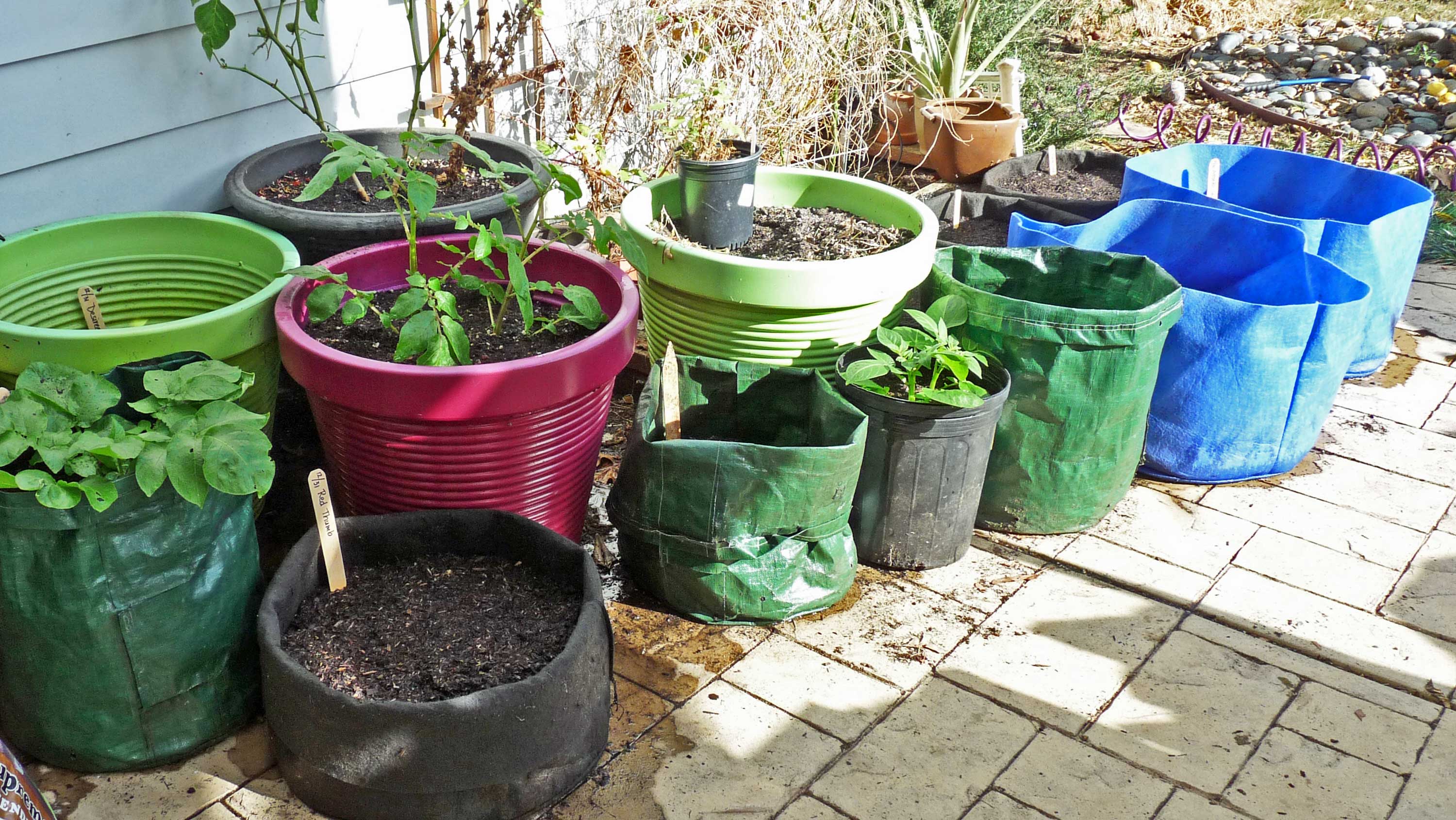
Potatoes in grow bagsI planted two large blue grow bags with ‘Atlantic’ potatoes. One bag got planting mix and compost, the other bag got acid mix and compost. I want to compare the two plants and their production because I suspect the soil mix I used last year may have been more alkaline than potatoes like. I did a similar test with the smaller black grow bags of ‘Yukon Gold’ set behind the ‘Atlantic’ bags. I’m also testing some red-skinned potatoes in the green grow bags the same way. I’ll do my best to water and feed them all consistently.

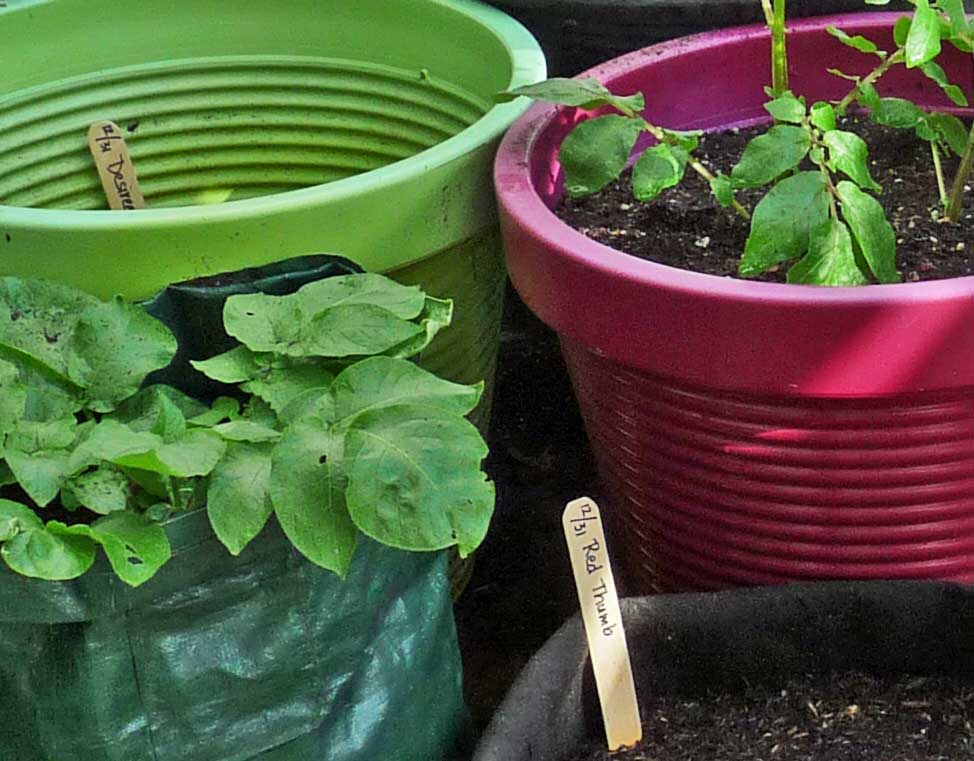
I also started an unidentified blue that I believe is leftover from the ‘All Blue’ planting several years ago in the front garden. There’s a bag of ‘Red Thumb’ fingerlings because they were sprouting so nicely I couldn’t leave them out. And a ‘Desiree’ seed potato in the large green container in the back.

Conatiner grown winter potatoesThe first group of patio container potatoes were started October 30th, so they have been out there  nine weeks already. The potatoes in the green grow bag that are already leafing out nicely are ‘Amey Russet’ potatoes grown from potatoes I saved in 2011. This variety originally came from Tom Wagner at New World Seeds and Tubers. The leggy variety in the purple-ish container may be ‘Caribe’, though I won’t be really sure until we harvest them. The label must have slipped down into the container when I was adding soil mix. The black gallon container is growing an earlier planting of the mystery blues. I used the restrictive container because I am hoping to get lots of small potatoes for planting in the spring.

This is my third year growing potatoes through the winter. I chose a sheltered location this winter because last year the harvest was very small and there was considerable frost damage. But in 2010 we had a wonderful harvest in March from winter-grown potatoes.

Have you ever grown potatoes through the winter? Please share how you did it and which varieties worked well for you in the comments.

Five New Onions for the Holidays

Leave a comment

It was 59 degrees and sunny in the garden today, at the end of December. I couldn’t resist planting something and the onions were first in line. I saved seeds from last year’s onions, several different varieties of them–all in the same grocery bag. I didn’t even realize my mistake until I wanted to get the early white onions started. Oops. Turns out seeds for white onions look pretty much like seeds for every other kind of onions. I forced myself to make a trip to the local garden store for seeds I could identify. ;-)

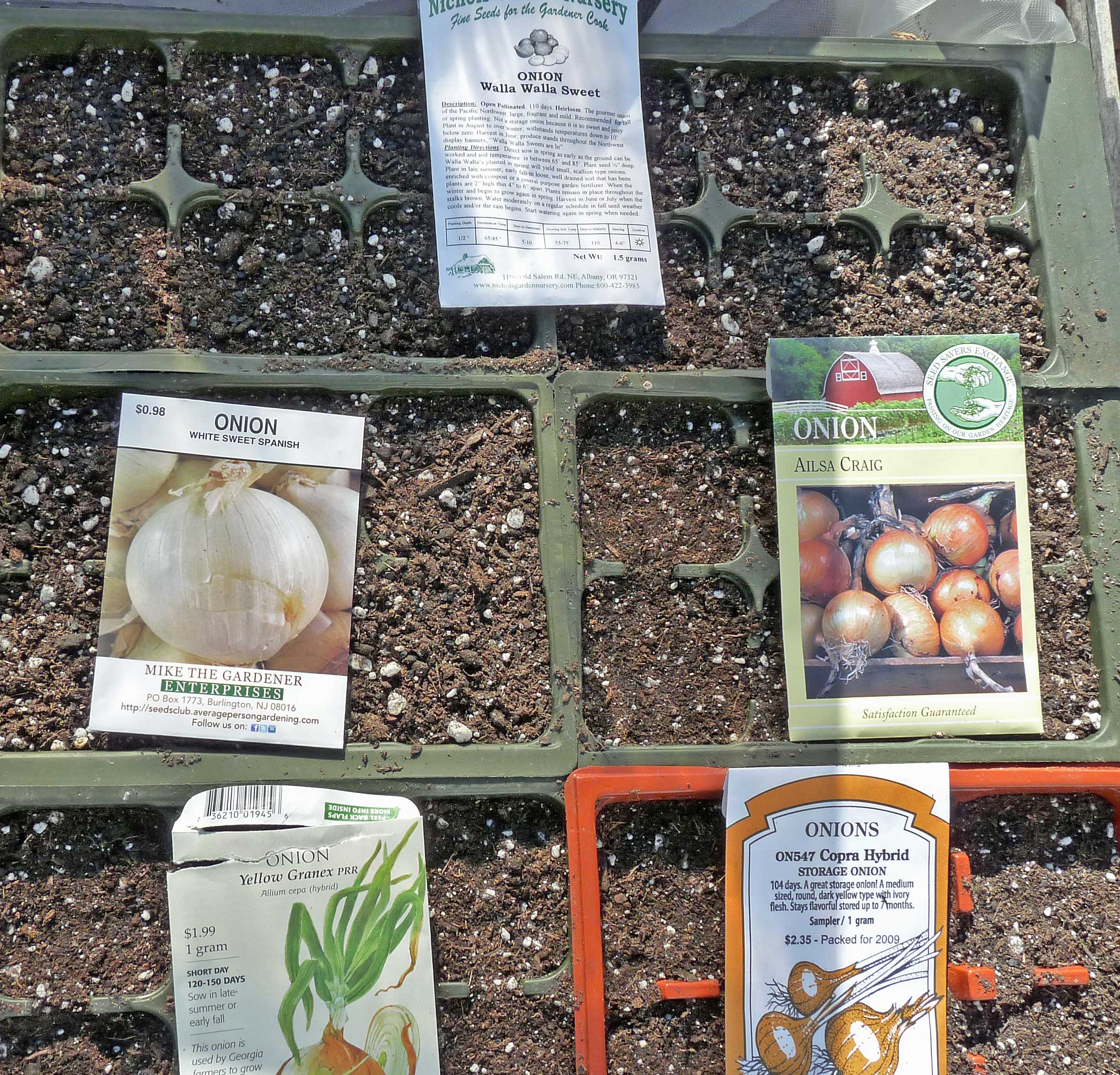
Planting onions from seedI chose ‘Walla Walla Sweet’ from Nichols, even though I probably should have planted them much earlier for overwintering. They will still be delicious even if they are small. Mike the Gardener sent me some ‘White Sweet Spanish’ onion seed. It’s a long-day variety, and my garden is pretty much on the dividing line where you should grow short-day onions south of my house and long-day onions north of my house, so I figure I might get away with either one. The ‘Ailsa Craig’ onions from Seed Savers Exchange are another long-day variety that I’m hoping will work for fresh eating through the summer. I’m also trying ‘Yellow Granex’ from Botanical Interests. It’s a short day onion that should have been planted in the early fall, but some years that just doesn’t happen. I’m going to try it anyway and see how it fares compared with the ‘Walla Walla Sweet’. Hopefully one of them will be happy enough to bulb.

I’m also experimenting with ‘Copra Hybrid’ storage onions. The seed is old, packed at Territorial Seed for 2009. No hard feelings if it doesn’t sprout. I know onion seed isn’t supposed to keep well. The other storage onion I’m thinking about trying is the ‘Gold Princess’ onion, but it’s a cipollini onion and they seem to need space around them to develop well. I’m going to wait until things warm up again before making a good spot for them.

What’s the first thing you’ll plant for the 2012 garden? I think my next project will be beets, then it’ll finally be time to get some of the tomato and pepper seeds going.

Winter Solstice, 2011

Leave a comment

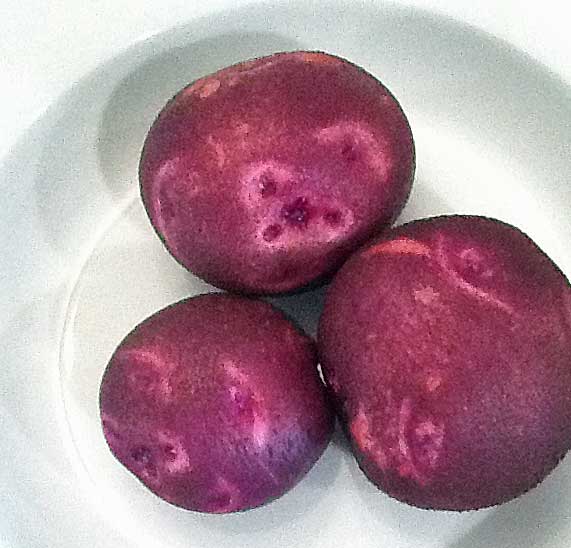
While I was working in the garden this afternoon, I unearthed some gorgeous, purple-skinned, ‘Caribe’ potatoes–the second or third generation of them we’ve grown. Even this late in the year, grown in a small bag, I was still able to pull out three large potatoes, a couple smaller ones, and four mini-tubers I’m hoping to use as seed for this spring. (Since we’ve already mashed and eaten the larger potatoes!)

Other known varieties of potatoes currently in the ground in the garden include ‘Amey Russet’, ‘Rose Gold’, ‘Red Thumb’ and ‘Harlequin’. I’m also nursing along four different potato seedlings grown with TPS from a ‘Toro Dude’ mother. We’ll see if any of them make it through to tuber production. I started with ten seedlings and I’m already down to 40%. They are growing in pots that I set outside during the day and bring inside at night. If any of these tiny plants produce a tiny tuber, I’ll try growing it out this spring to produce enough tubers for tasting. If one of them does well and tastes good, we’ll have a whole new variety to propagate.

TPS Potato PlantsOn this Solstice, I also harvested a handful of yams (the sweet potatoes were all eaten up several weeks ago) and a couple of carrots from a bed I was preparing for the new potato varieties I just ordered from PotatoGarden.com. I’m going to try their ‘Lehmi Russet’ which is supposed to yield better than the ‘Russet Burbank’. I’ll see how it compares with our ‘Amey Russets’ which the TaterMater boards say is a better yielder than ‘Russet Burbank’. (Poor ‘Russet Burbank’, why does everyone pick on that variety?) I’ll also be growing ‘Crackled Butterball’ to compare with the ‘German Butterball’ potatoes that have been very popular with us. I chose ‘Mountain Rose’ to expand my reds, since ‘Red Thumb’ is the only red that has done much of anything in the Dirt to Dinner garden so far. And ‘Purple Peruvian’ is a blue fingerling I’ll be trying to expand on the blues. There are still ‘All Blue’ potatoes popping up here and there around the garden, but the straggly volunteers have never really produced much of anything. I gave their mini-progeny a bed of their own for this year to see what we can do to revive them.

Two different types of spinach, many colors of chard, two kinds of kale, several lettuces, arugula, collards, carrots, mustard and turnips are all coming up in nursery beds or flats or volunteering in odd corners of the garden. There’s a whole patch of arugula seedlings in the middle of one of the paths that I’ve been trying to transplant as space opens up. And yesterday I started a big patch of ‘Sugar Snap’ peas. I started them under a trellis just in case they really do grow on 6′-8′ vines like the seed package said.

Just 80 Pounds of Potatoes to Go

Leave a comment

20 Lb Box of PotatoesThere was certainly no danger of me winning the 99 Pound Potato Challenge with this year’s ‘Rose Gold’ crop even though it is a new Personal Best for us here in the Dirt to Dinner garden. In 2010, we harvested 20 lbs of potatoes from a fifteen square foot raised bed and this year we managed the same weight of harvest in only nine square feet. That’s almost an extra pound of potatoes harvested per square foot in 2011. And this patch of potatoes also produced flowers and potato berries that were harvested so that we can experiment with growing from seed.

The ‘Rose Gold’ potatoes were planted March 29th and harvested July 19th, 112 days later. They were planted in new ground that started out as a compost pile and was covered in a layer of rice straw and top soil. Potatoes were hilled to just over 24″ with alternating layers of straw and potting mix. They could have been hilled much deeper. Vines were over four feet tall and some stolons grew at least two feet long. With their excellent taste and this respectable harvest, ‘Rose Gold’ potatoes will probably gain a spot in our deep hilling trials this fall or next spring.

Rodent Teeth Marks?Unfortunately, I was not the first one to harvest the ‘Rose Gold’ patch. Just the other day the dog was chasing something and digging along the edge of the patch. I shooed her away and went back to watering the tomatillos. But today in that corner, I found at least six potatoes that were very strangely shaped and clearly no longer at their full weight when it came time for the count. Do squirrels eat raw potatoes? Who eats raw potatoes, can climb the fence into the yard and is faster than a streaking Labradoodle? Those potatoes started fist-sized, if you have small hands like me, and a good chunk of them has definitely been chewed off!

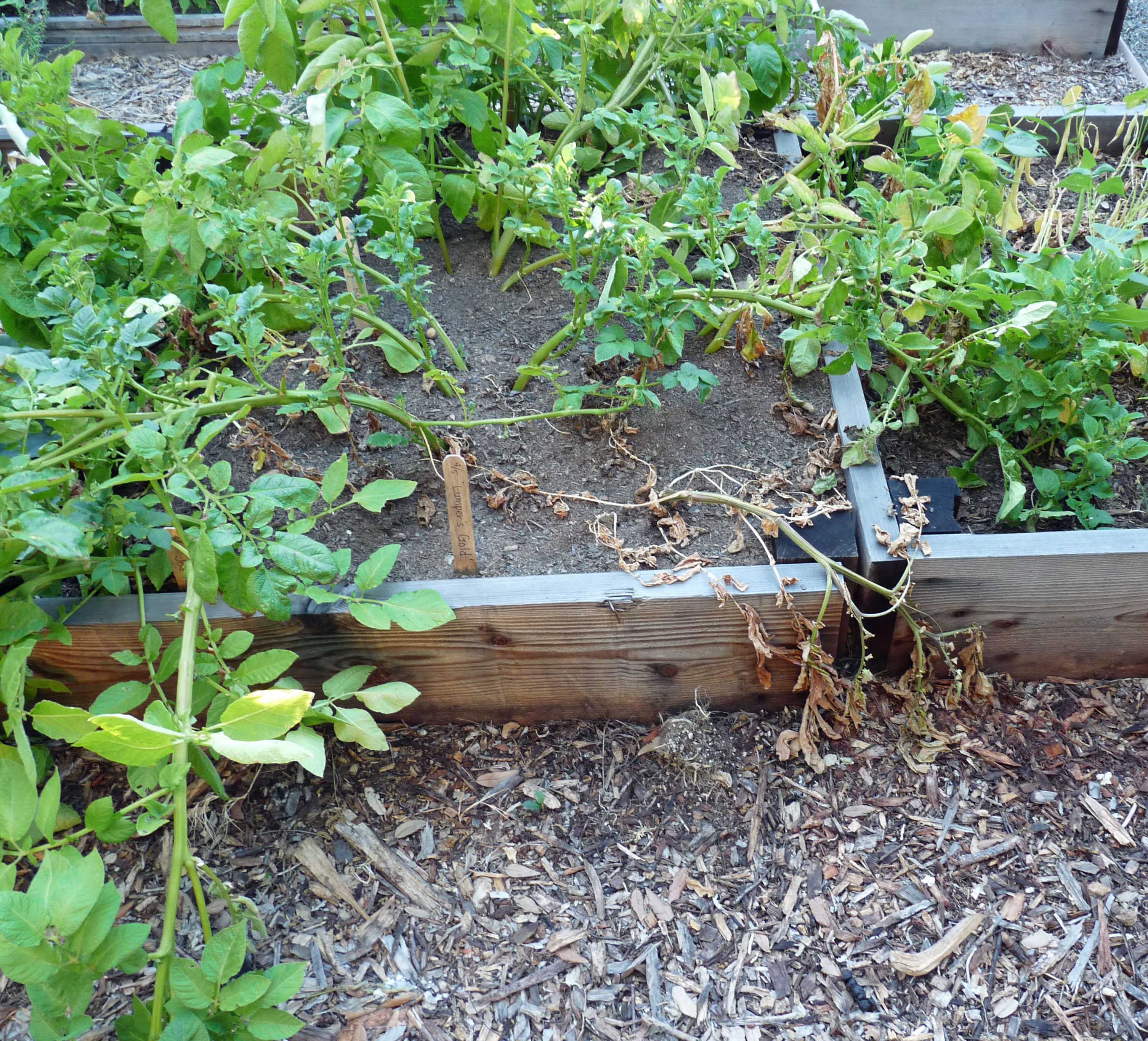
Potato vines starting to die backThe ‘Rose Gold’ potato vines were brown and fallen over and mostly dried up so I knew they were ready to harvest. I might have liked to allow the potatoes a few weeks undisturbed in the soil to harden their skins for storage but I pulled the patch before any more unauthorized feasting took place. I have two more patches and several potatoes in bags growing in that area. The patch shown here was planted April 6th and contains a broad mix of varieties for the Great Potato Grow Out Project.  The bulk of the varieties still have lots of mostly upright, green vines. They wilt in hot weather but with water and evening cool they stand most of the way back up again.  Except for the plant in the bottom right corner.

Potato vine finished dryingPotato varieties grow for a unique number of days before they finish setting tubers and the vines die back. Some early varieties are ready in as few as 75 days. The ‘Red Thumb’ potatoes have been the first in this trial to be ready for harvest at about 90 days. This vine is a ‘Caribe’ potato that is done growing and I plan to pull these potatoes very soon before anyone else starts to harvest them for me!