18 Kids and 42 Kinds of Potatoes – Now That’s an Earth Day Project!

3 Comments

Yukon Gold Potato Grow Over-winter by Traditional MethodsPerhaps you’ve already noticed we can get a little intense here at Dirt to Dinner.  Our Great Potato Grow Out for Spring 2011 is  no exception. What started out as a personal interest in growing a few of the potato varieties Carol Deppe mentions in The Resilient Gardener, has turned into a full blown research project searching for the ultimate urban gardening potato varieties staffed by no less than 18 (and still counting) smart and curious kids. And the project now involves testing at least 42 different potato varieties.

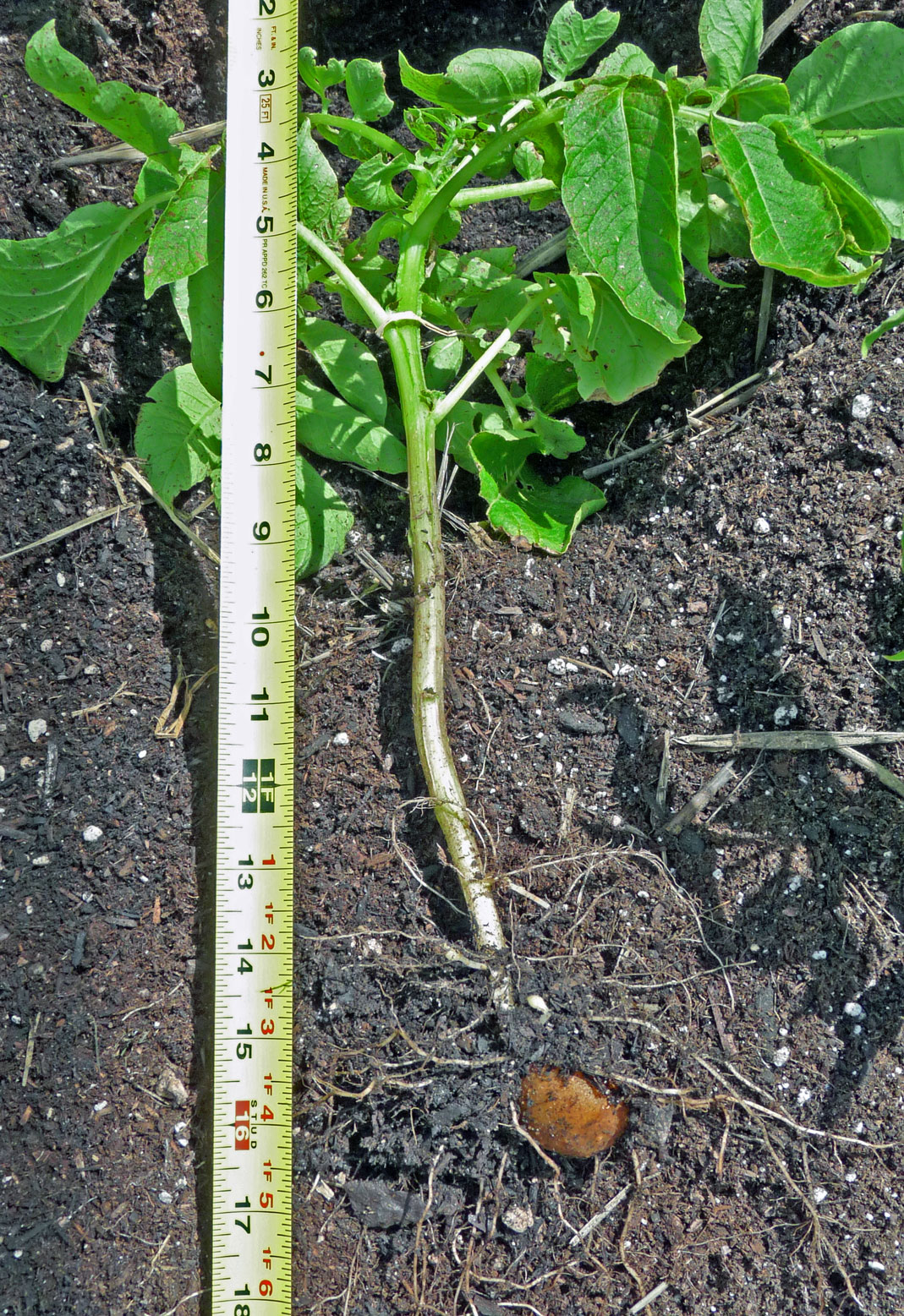
The ‘Yukon Gold’ potato shown on the left is one that was grown by traditional methods (in the ground, hilling, etc.)  except that it was grown over the winter. At harvest in April, it measured roughly 16″ from seed potato to leaf top. Because I tried to grow it through the coldest and darkest time of the year, it made an unimpressive number and weight of potato tubers. This particular plant set stolons, those little ‘umbilical cords’ that potatoes grow on the end of, along the first six inches of stem that grew up from the seed potato. But, identifying a potato variety that produces lots of potatoes vertically on a tall stem could allow thousands of urban gardeners to reduce their environmental footprint and produce more of their own food at home in small spaces.
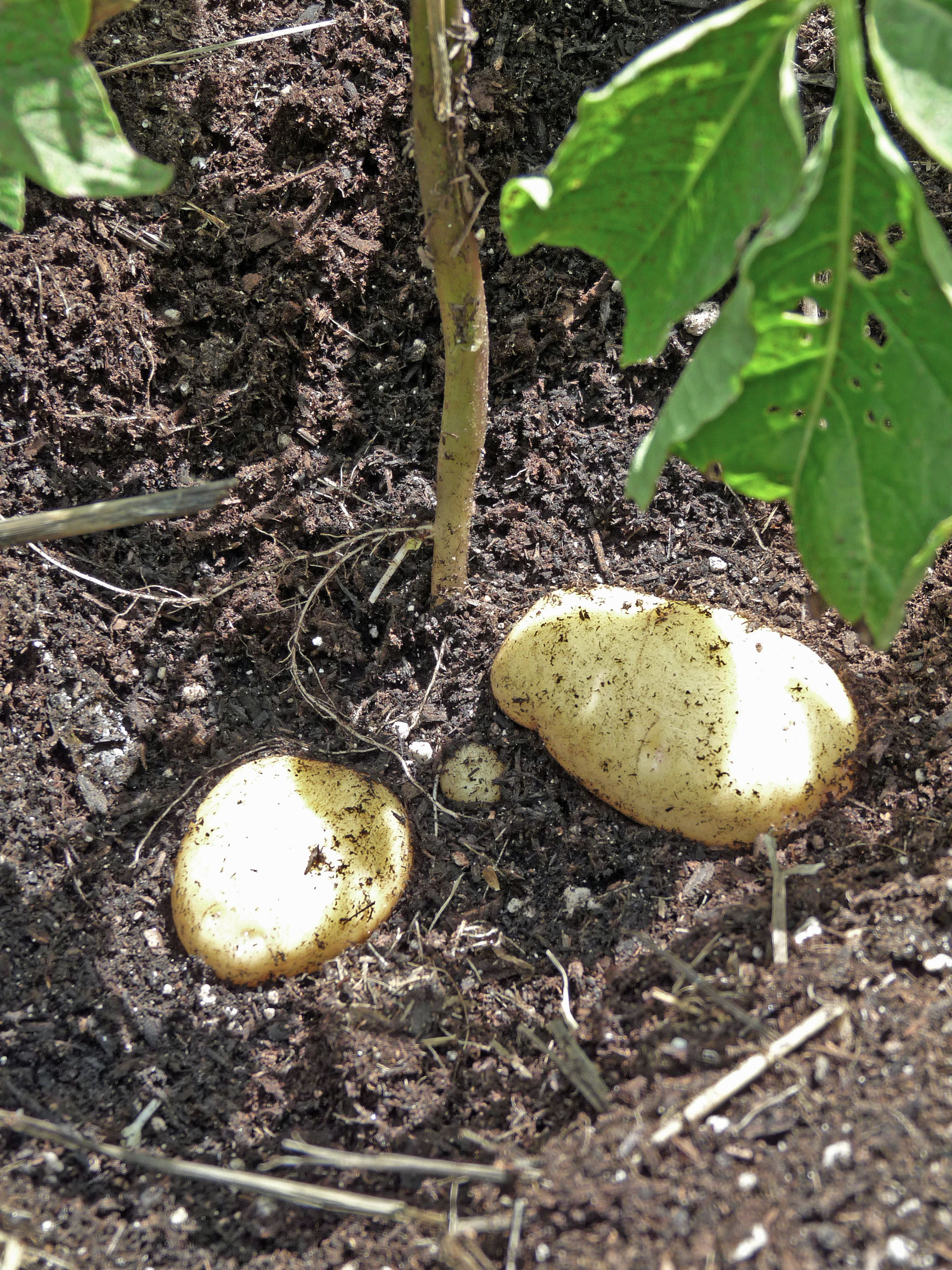
Low Yield of Yukon Gold potatoesSo, how do you find that potato? It’s gotta taste good. It’s gotta grow well in a variety of conditions. It’s gotta be tall. And it’s gotta set stolons for a lot farther up it’s stem that the six inches that ‘Yukon Gold’ used.

That’s where Tom Wagner and New World Seeds and Tubers come in. Tom is the go-to guy if you want to try your hand at the potato varieties Carol Deppe mentions in her fascinating book. If you’re feeling adventurous, Tom will even send you an 8-pound sampler box, with anywhere from 5 to 20 different varieties of potatoes represented in those 8 pounds. That’s plenty to start your search. We even asked him to start us out with some of his tall-vined favorites.

But, if it’s really your lucky day, the generous folks at New World Seeds and Tubers will accidentally fill your order twice and then tell you to go ahead and keep the extra package! That kind of bounty begs to be shared, so I took the search to the Dirt to Dinner kids. So far 18 students have volunteered for the research project to grow out Tom’s rare and experimental potato varieties searching for the best potential vertical growers.

There’s now even a site on WePay where you can support the kids research in the next stage of the project to propagate and share with urban gardeners around the world. The Great Potato Grow Out team will be recording potato growth rates, height of stolon set, amount of potatoes produced, weight of potatoes produced and, of course, how their potatoes taste.

Got a favorite potato recipe? I’ll be collecting them to try during our Taste Test in 100 days or so!

4/23 Update –

Our WePay Earth Day project “Potatoes Grow Up” was the winner of the Earth Day donation. Thanks for your support and generosity!
Growing A New World Potato Sampler

3 Comments

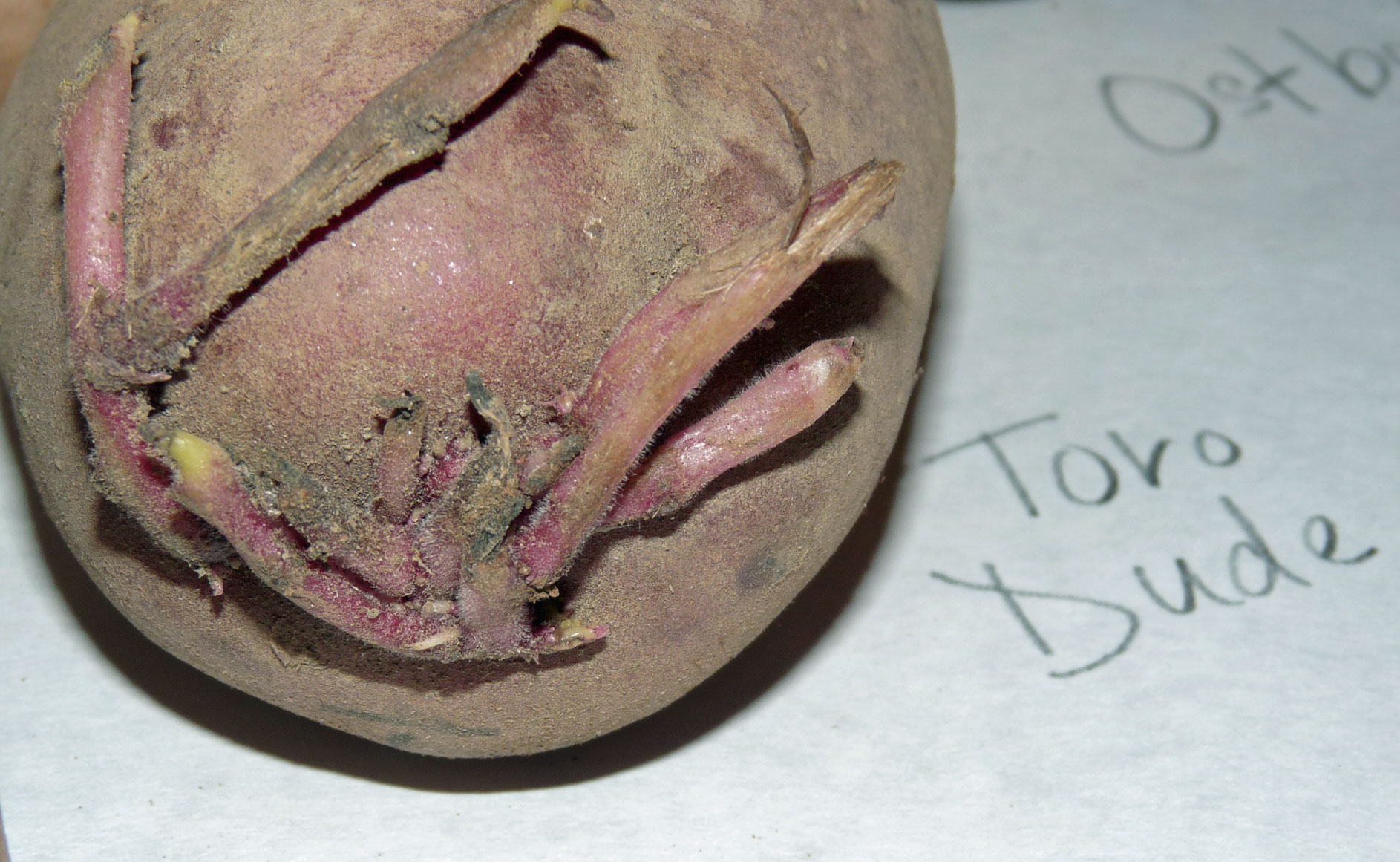
Toro Dude Potato for SeedIt takes a special sort of person to see the beauty in a Potato Sampler box from New World Seeds and Tubers. My husband, for one, just didn’t get it. If he’s gonna look at a potato he wants to see it buttered and already on his plate. But I know beautiful when I see it and, to me, these guys all look gorgeous.

I chose the 8 pound sampler which promised 5 to 20 different varieties “from around the world, special breeding lines that are available only from us and a few classic varieties” of potatoes to try. I specifically asked for any they thought would do well growing vertically, since I wanted them for the 99 Pound Potato Challenge. I was also interested in trying some of the types Carol Deppe mentioned in her book, The Resilient Gardener.

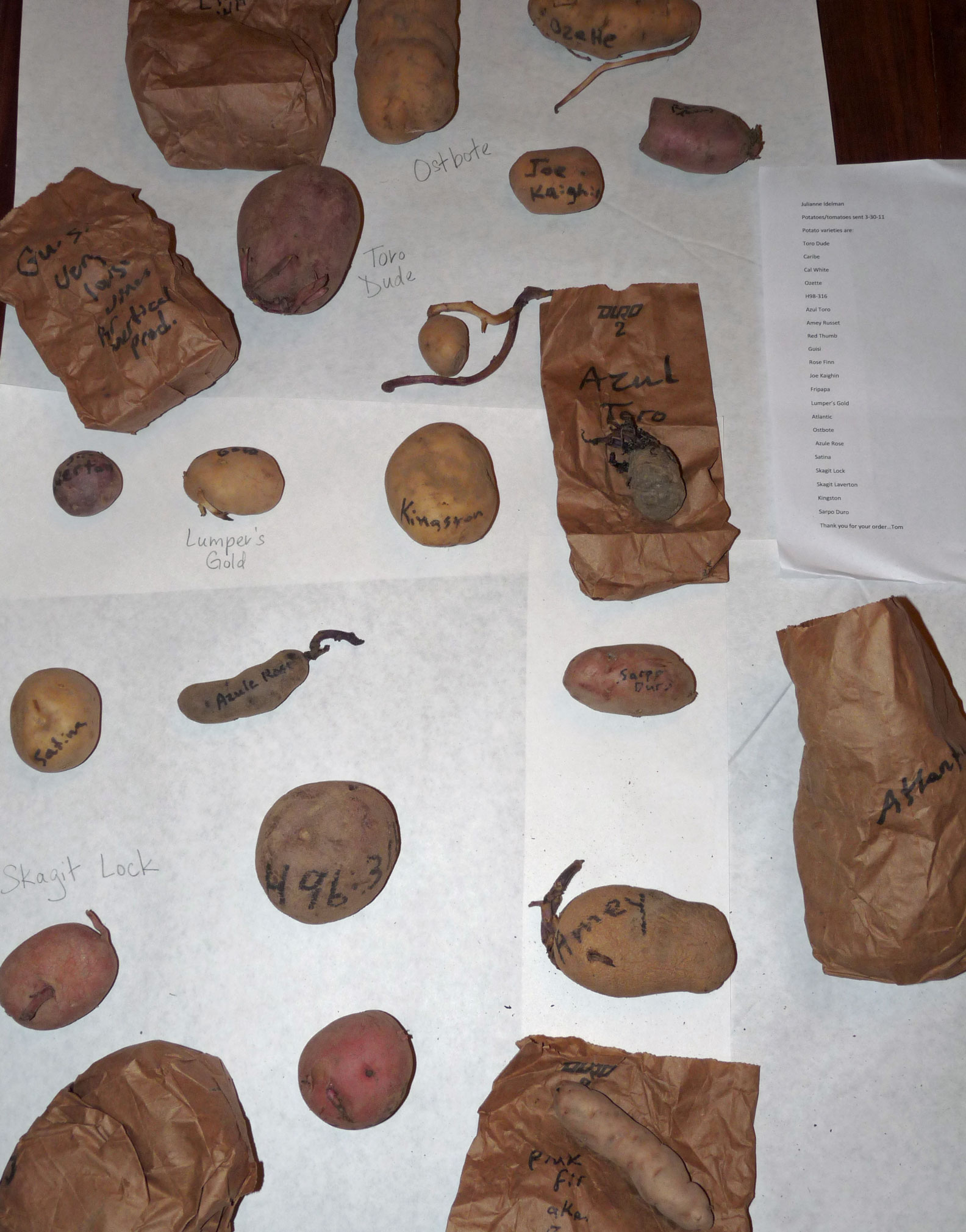
Seed Potato SamplesWhat arrived was a broad sampling of the possibilities of potatoes, twenty-one different clones and nearly forty individual potatoes, many I had never heard of before. In Heirloom Vegetable Gardening, William Woys Weaver says, “Growing heirloom potatoes presents special problems for the gardener because old varieties are not as resistant to disease as modern ones. Futhermore, potato varieties predating the advent of the blight in the 1840’s are to be found only in gene banks or in special botanical collections.”

I honestly don’t know where Tom Wagner finds all of his potatoes, but I am certainly glad that I found him. And I couldn’t wait to start getting these potatoes planted. One of the varieties specifically marked for the vertical growing project was Guisi, a potato I think is named for a Peruvian potato researcher killed tragically near one of his experimental fields.

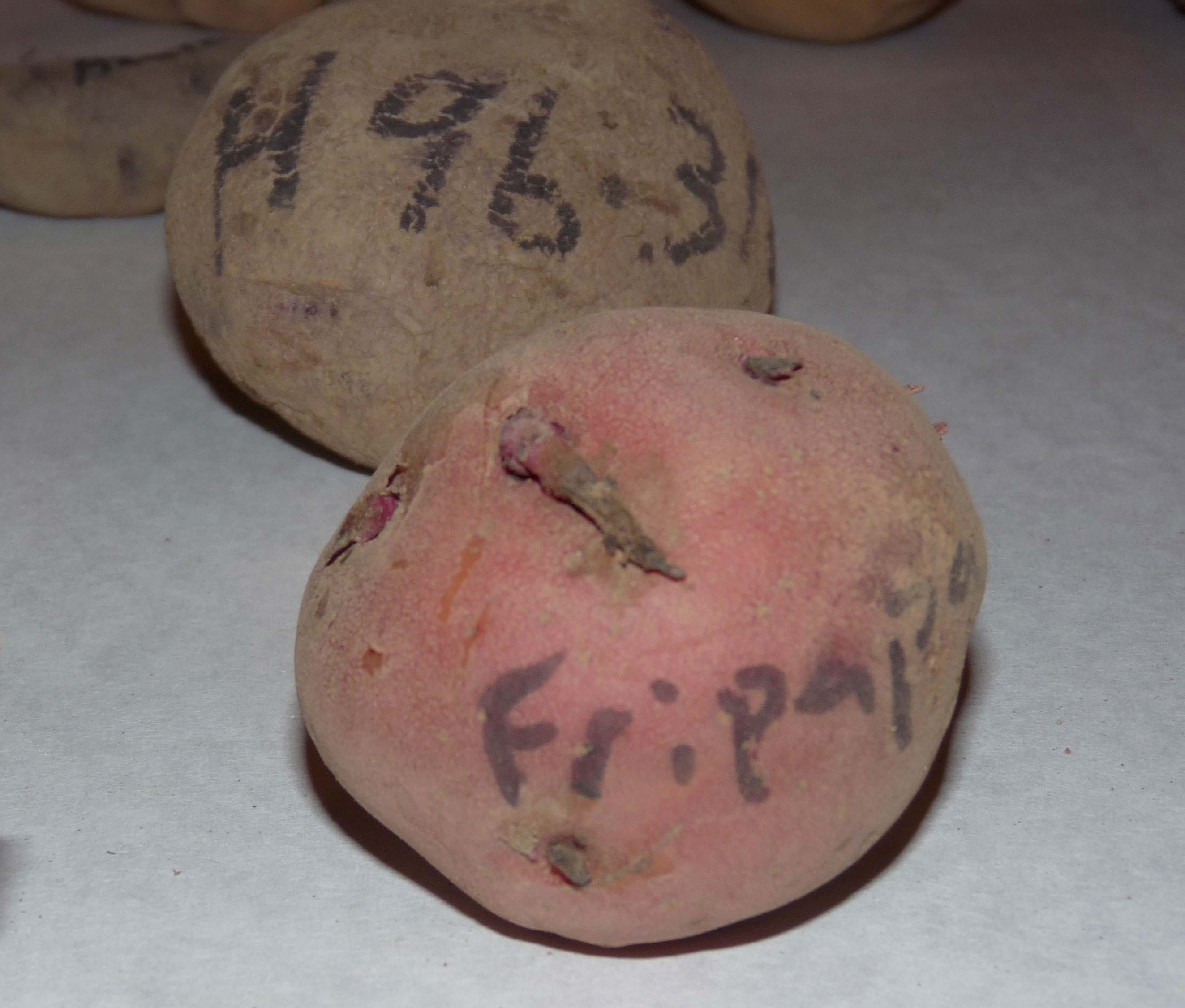
Fripapa and H98-316 Seed potatoesI got blues, reds and golds. I got fingerlings and smooth rounds, big bulbous blobs and delicate tiny tubers. But some of them don’t even have names! This hefty spud arrived with a number hand-written on its side. A quick Google search turned up an entry from the United States Potato Genebank that looks like H96.316 is an improved variety from the International Potato Center in Peru. Who knew there even was a United States Potato Genebank?

The Fripapa shown here had a hollow center, so I set it aside to research whether or not I should plant it. A potato with a hole in its heart would never pass the Carol Deppe rogue test. She cautions readers to eliminate peculiarities as something that might indicate a disease or a growing problem. Though none of the other potatoes I have cut for planting looked unusual.

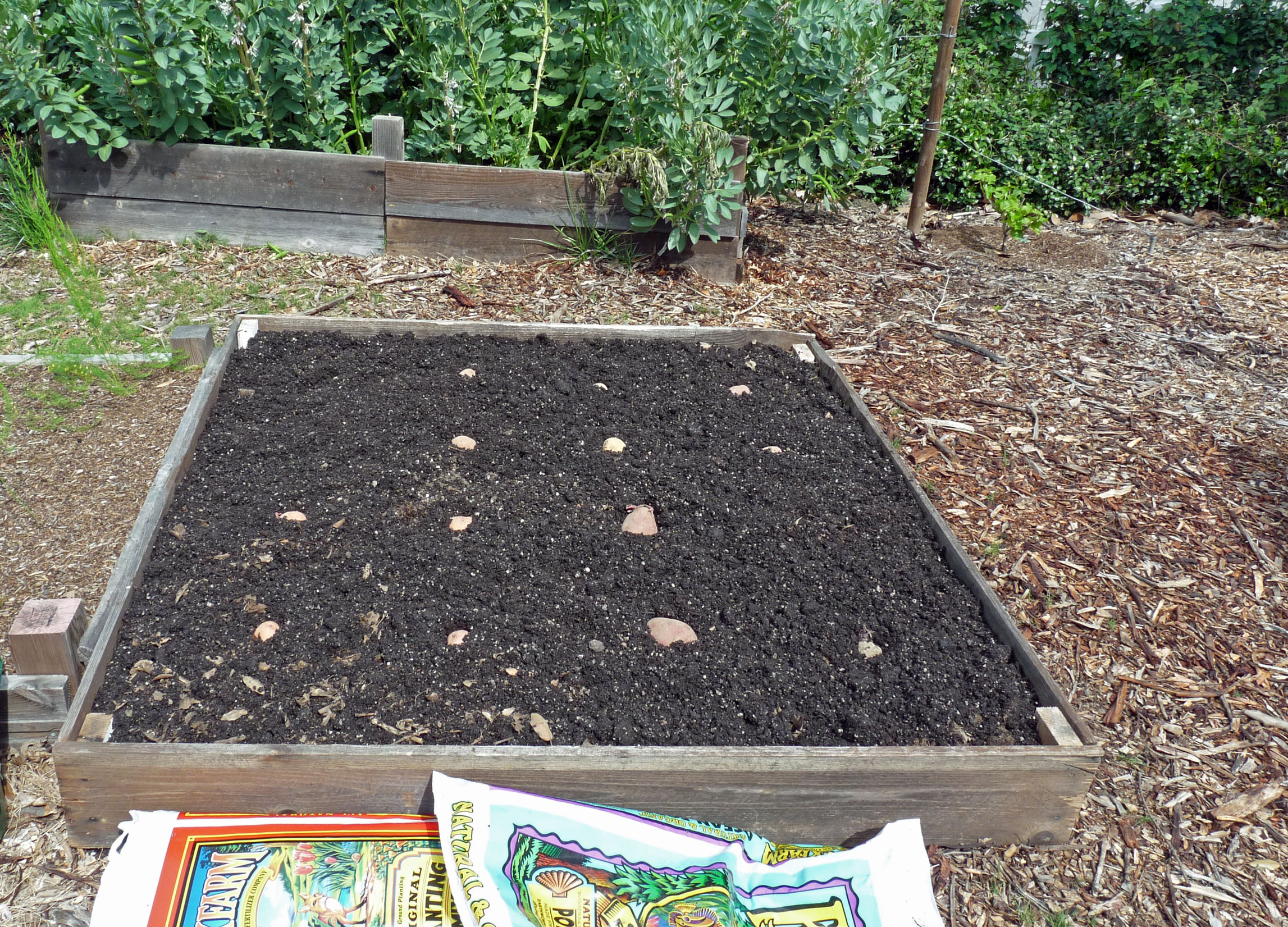
Planting potatoes in raised bedI set the potatoes 15″ apart, which gave me room to plant 16 potatoes in a 5’x5′ bed. This bed started out as a compost pile last year and grew favas through the winter. I amended it with my favorites from Happy Frog to deepen the soil level as much as anything else, since I anticipate soil fertility to be pretty good. Then I covered the seed potatoes with several inches of planting mix and watered the whole thing in. Depending on the weather, I hope to see at least some of the potatoes sprouting in the next week or two, though I understand it could take some of the varieties longer than that.

Map of Potato Varieties PlantedThe trick is, how do you keep track of which potatoes are which varieties when you are growing 16 plants of nine different varieties in one raised bed? To start with I got a stack of the really big plant markers from Common Ground so I can actually find them when I want to know who is who. I noted on the row marker how many plants of that variety are in the bed. For example, the ‘Guisi’ marker says (4) because the four plants closest to the marker should all be ‘Guisi’s’. I also drew myself a quick map, just in case something happens to the giant plant markers. Now I can refer back to this when the plants come up and remind myself that there should be two ‘Satinas’ and four ‘Guisi’s’ but only one of the ‘Skagit Lock’ and ‘Red Thumb’ plants.

Now, if I could grow a sour cream plant, I’d be all set!

56 Is the New 64: Tomato Germination Tests

1 Comment

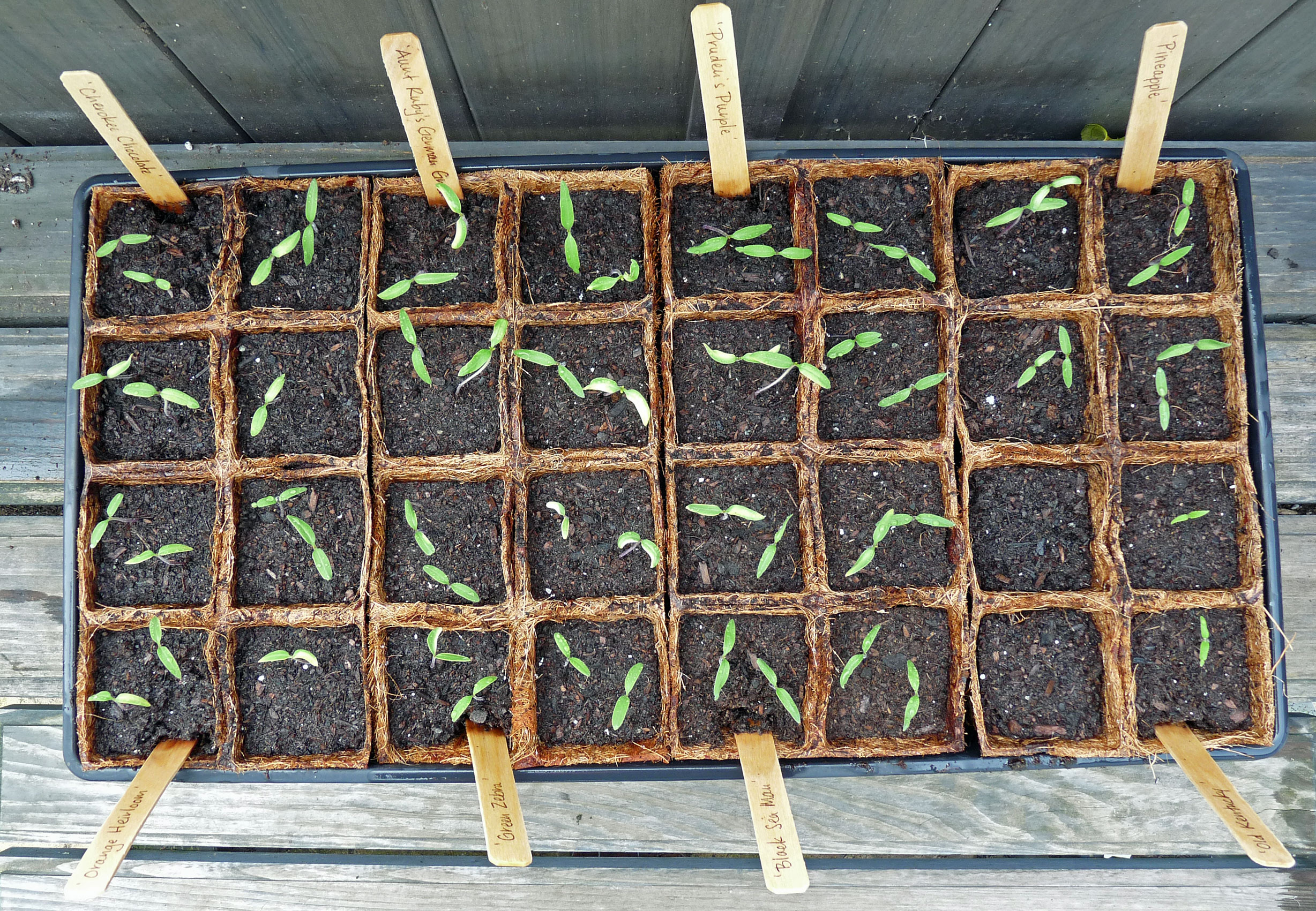
Tomato Germination Test‘Cherokee Chocolate’ 88%
‘Orange Heirloom’ 88%
‘Aunt Ruby’s German Green’ 100%
‘Green Zebra’ 100%
‘Pruden’s Purple’ 100%
‘Black Sea Man’ 100%
‘Pineapple’ 100%
‘Old Kentucky’ 25%

It didn’t matter that the ‘Orange Heirloom’, ‘Aunt Ruby’s German Green’ and ‘Pruden’s Purple’ seed was from 2009. Or that the ‘Green Zebra’ seed was from 2010. OK, it might have mattered a little bit that the ‘Orange Heirloom’ seed wasn’t as fresh as it could have been, but I’d be willing to bet that tray position had every bit as much to do with slightly lower germination rates in both the varieties on that side. Was that the problem with the ‘Old Kentucky’ seed? Maybe not, since the two cells that did sprout seeds were the ones on the very outside. I’ll probably try to sprout another four seeds in a flat as a test just to see.

Sprouting Pepper SeedsPeppers are another thing entirely. They do not leap out of the potting soil the way the tomatoes did. The tomatoes were planted 3/6 and by 3/11 all of them that were going to sprout were sprouted, except the ‘Old Kentucky’ twins who didn’t show their heads until the 13th. Peppers dawdle. One comes up over here, the next day maybe another one over there. Or not, maybe they wait a week or two.

I started the pepper seeds on March 1st. The first pepper out of the ground, more than a week later, was a lone ‘Golden CalWonder’. When it was still alone the next day, I re-potted it to go under the lights and returned the rest of the cell packs to the incubator where they would stay warm and moist.

If you enlarge the photo I hope you’ll be able to see that two weeks after planting, several of the seeds are just now emerging, and there is no sign yet of some of the varieties.

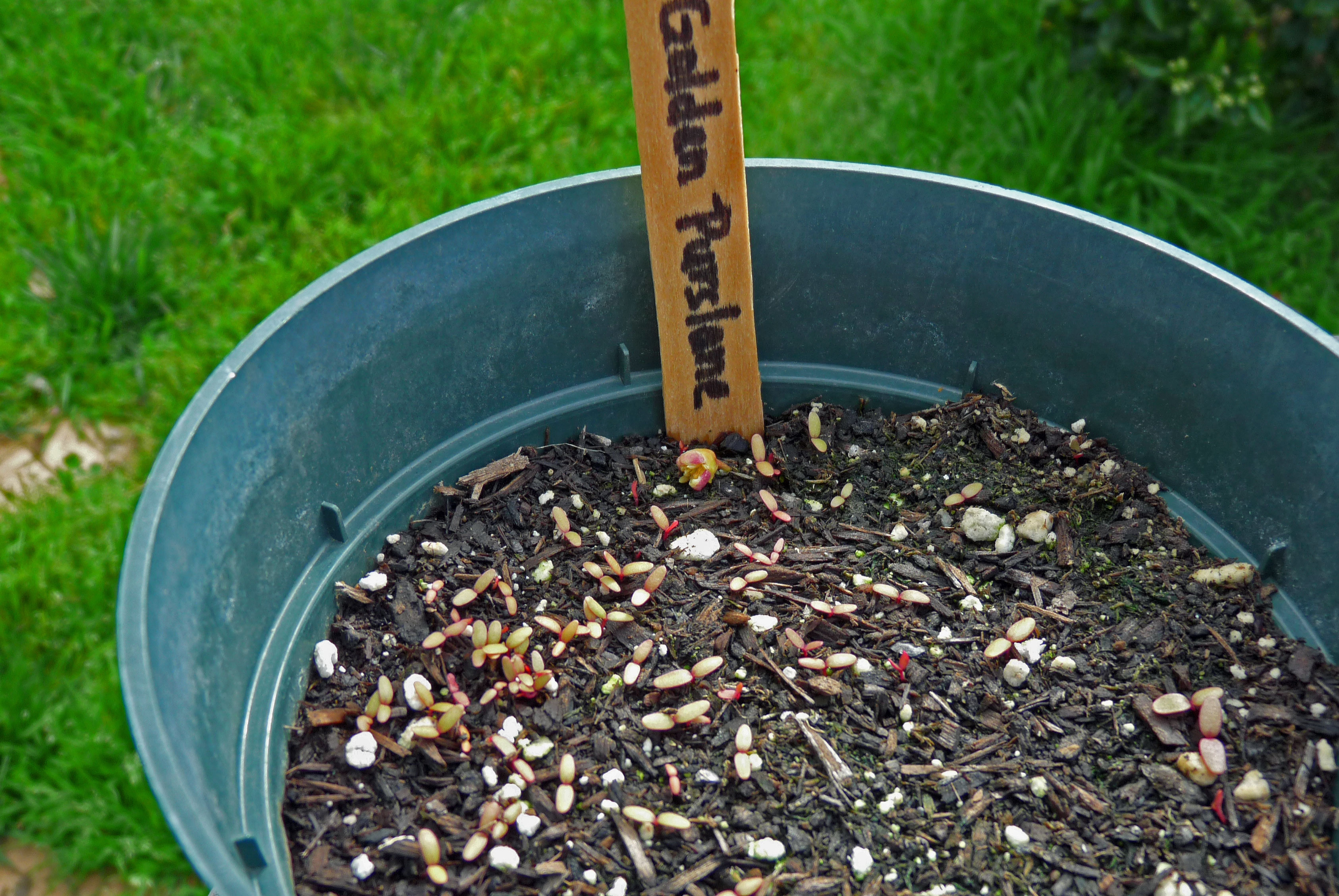
Golden Purslane SeedlingsOne thing we do have germinating is ‘Golden Purslane.’ I thought I winter sowed a patch but when they didn’t come up where I expected them, I started a small pot of seeds to be sure. Right now all you can see are the tiny seed leaves with red stems and red around the edges of the leaves. But in another week or two I’ll be pricking them all out of the pot and wishing I had been more careful with my winter sowing!

10 Small, Good Things

Leave a comment

The enormity of the news from Japan is overwhelming. The scale of the quake and the power of the waves is beyond what I can comprehend. Wishing I knew how to cool a nuclear reactor, I’ve retreated to my garden to spend time with the small, good things I can see there. They feel fragile and precious and I want to see them and share them before they are gone.

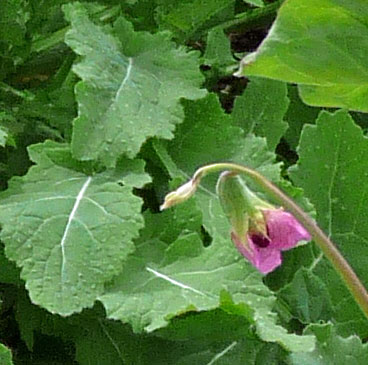
Snow Pea Flower#1. The ‘Green Beauty’ snow peas have grown almost three-feet tall and are just starting to bloom with velvety bright-pink flowers.

#2. The new compost pile is already cooking. If you press your hand against the outside of the pile you can feel the warmth inside.

#3. The ‘Banana Fingerling’ potato plant made dozens of perfect little potatoes before the frost got it. I discovered them as I was tipping the potato bag soil onto the compost pile and recovered them and added them to a pot roast.

#4. Each one of the newly planted ‘Norkotah’ potatoes for this spring are already sprouting in their bags.

Fava Bean Pod on Plant#5. The ‘Broad Winsor’ favas have actually made beans! Of course, I didn’t discover them until after I had complained to my mother-in-law that my favas had no beans. Some of them are so large that now I need to find out when to pick a fava bean and how to eat one.

#6. The sauerkraut I made out of savoy and ‘Stonehead’ cabbage, ‘Danvers Half-Long’ carrots, apples, onions and cumin seeds is silently bubbling on the counter and actually smells slightly sauerkrauty.

#7. The stick, literally, of ‘Pakistan’ mulberry that I brought home from a grafting class and stuck into the ground has an actual growth, bud, thing that shows life, on the side of it.

#8. The sad, scrawny ‘Thompson’ grape vines that were hating me for trying to grow them in pots last summer aren’t dead. They are in the ground now and both have buds forming at every available end-point.

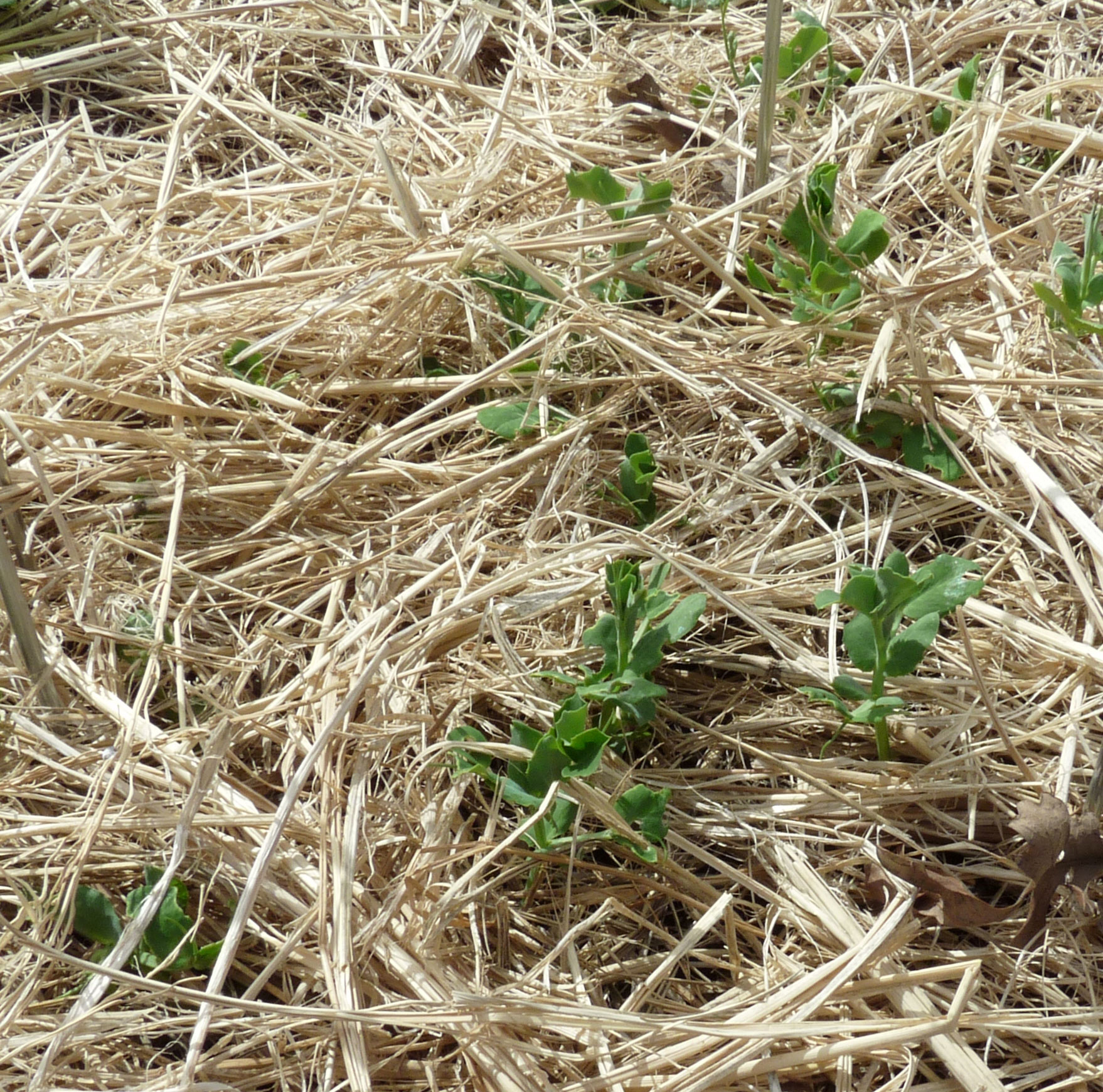
Straw Covered Pea Patch#9. The slugs didn’t decimate the last patch of ‘Sugar Daddy’ peas. They were hiding out under straw and have made it to the point where they each have several leaves before anything found them and chewed them to nubs.

#10. I pulled and ate the first ‘Yellowstone’ carrot of the season and it was every bit as bright and crisp and delicious as I remembered them.

It may not solve natural disasters, but my garden is a refuge and I’m glad to be able to share it with you.

Tomato Math: How Many Seedlings Does 64 Tomato Seeds Make?

Leave a comment

Heirloom Tomato SeedsIt nearly killed me, but I have managed to wait until March 6th to start my main season tomato plants. The early drying tomatoes, Principe Borgheses, are out in the garage under lights already. But this year I am following the planting schedule recommendations from the Common Ground Ecology Action Planting and Gardening Guide and it really does say to start tomatoes in flats in March. If truth be told, the printed version actually says, “Tomatoes, Early” under the Start in Flats column for March, but I am gardening to the south of their location in Palo Alto, so I am taking this gardening license.

The first batch consists of ‘Cherokee Chocolate’, ‘Pruden’s Purple’, ‘Aunt Ruby’s German Green’, ‘Green Zebra’, ‘Pineapple’, ‘Old Kentucky’, ‘Black Sea Man’ and ‘Orange Heirloom’. Eight varieties in all. Because I’m only starting a few of each type I chose not to use flats but to start the seeds in Fiber Grow Coir 8-packs I picked up at Common Ground. I planted eight seeds of each variety, two to a cell. Because the seed is from different years, germination may not be consistent, but I am hoping for at least two nice looking plants of each type. One for the Dirt to Dinner garden, and one for a friend we are starting tomatoes for this year.

Seedling IncubatorThe soil in the planted coir 8-packs was well misted, then I set the tray of all 64 seeds onto a covered heating mat, which I am hoping will keep them between 72 and 78 degrees. The temperature of the area was 68.8 degrees when I covered the heat mat. Then I covered the whole thing with a plastic storage bin to keep in the heat and moisture. An hour later the center section registered 74.7 degrees. Now, I just have to remember to keep the moisture right and wait for yet another week. When this group of tomatoes moves into the garage or cold frame, depending on the weather we get, it’ll be time to start the paste tomato varieties and the ‘Cherokee Purple’ trial. Makes my mouth water just thinking about it.