Hoping for Asparagus

Leave a comment
Mary Washington Asparagus Fail

Thin Pickin's

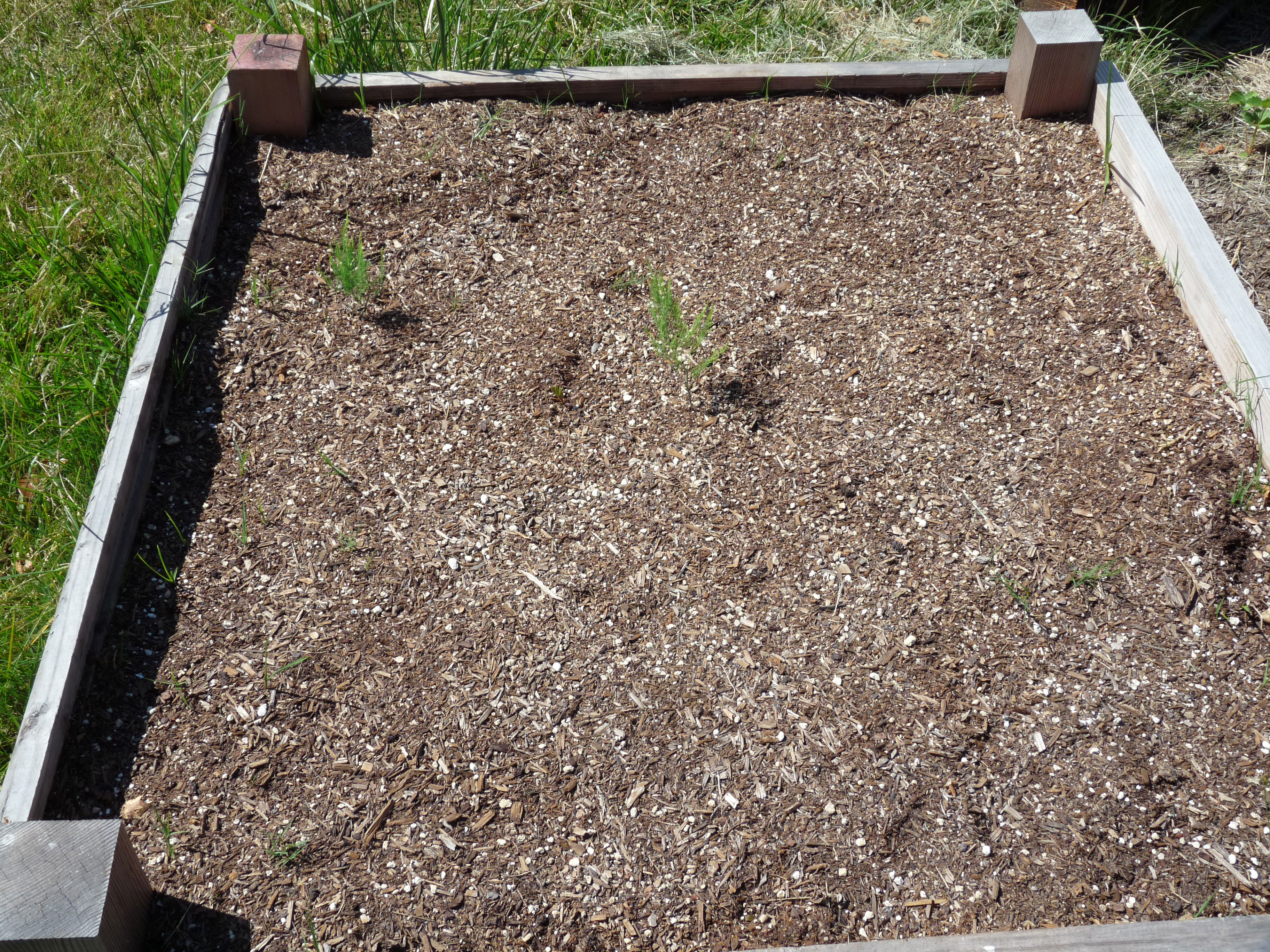
We finally did see two tiny tufted sprouts from the Mary Washington asparagus bed. I was actually about to dig the whole thing up to see what happened to them when I noticed the first one. Chalk it up to the weird wet cold spring. It’s not enough to keep me from over planting the bed in Tarahumara Chokame black beans, Catalina Spinach and Charentais melons. But still, two of the asparagus crowns are alive in there, and I left them enough space (I hope!) to develop through the summer and put down some roots for next year.

Asparagus from Seed

Italian Asparagus from Seed

My real hope is the Asparago Precoce d’Argentuil that I started from seed May 15th. Many of them have sprouted. They are tiny, thin, tall, fluffy things that move in the slightest breeze. I took this picture on the Sports/Action setting and it’s still not totally in focus. I probably breathed near them. In another week or two I will pot up the ones that I get into their own 4″ pots where they will spend the rest of this year. It takes about 305 days to get asparagus from this stage to the point where they have developed enough root crowns to go into the ground. That should see these guys planted out mid-March of 2011 ‘God willing and the creek don’t rise,’ as my Daddy would have said.
Asparagus Fronds

Purple Passion Fronds

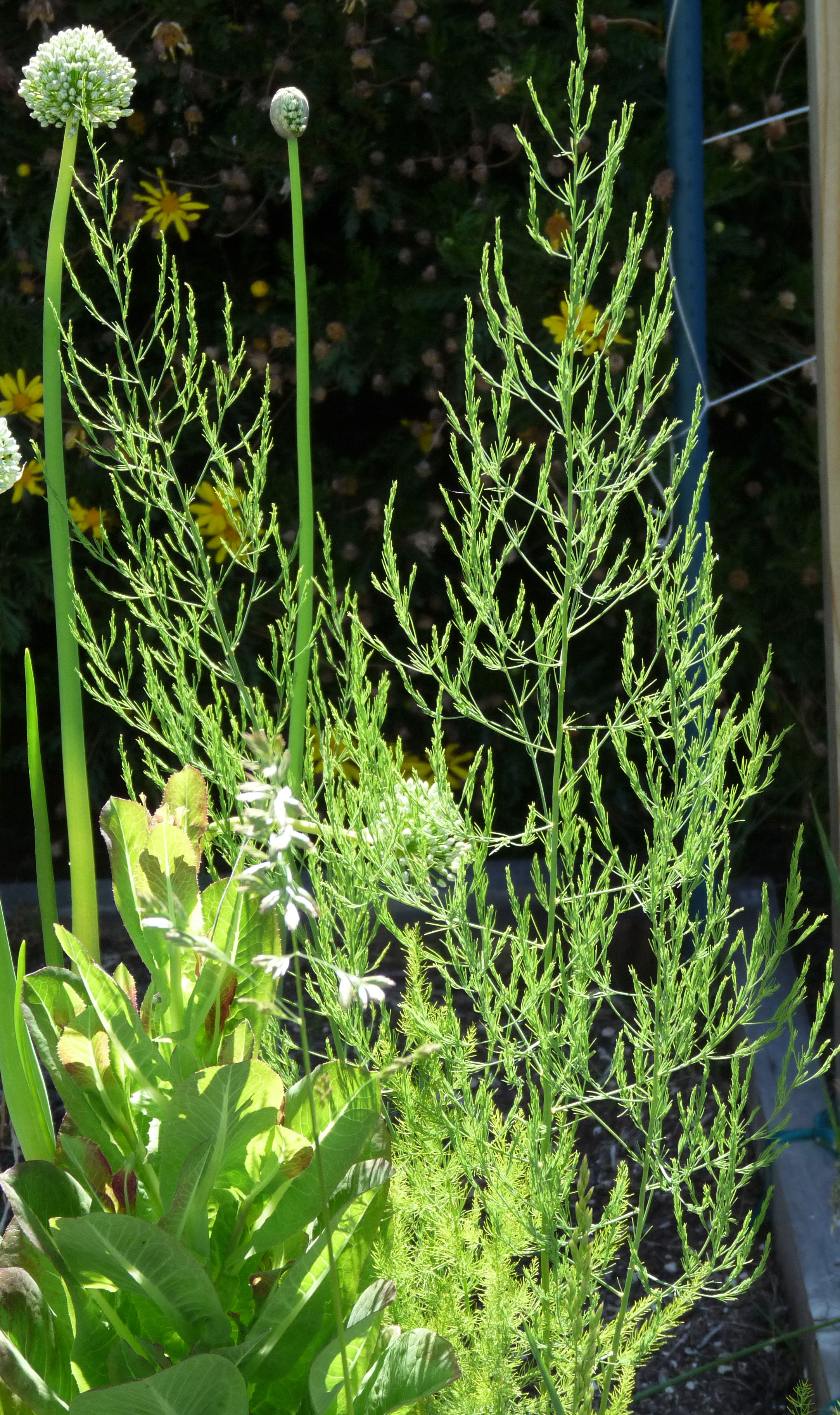
There is one other hope in the asparagus department for next spring. In the fall of 2009 I put in four potted asparagus roots; two Mary Washington and two Purple Passion. They seem to have over-wintered well in spite of the onions, lettuce and carrots that surrounded them all year. Now they are sending up tall, broad fronds that should be nourishing the roots below and might give us our first taste of home grown asparagus next year. The potted roots were at least a year old when I bought them, so in the spring of 2011 they might be pushing three. If we’re lucky, and that creek don’t rise. ;-)

Starting Seeds – Take Two

1 Comment

The Mary Washington asparagus crowns never did sprout. It’s been a long, wet, cold spring here. Maybe they are still down there thinking about it. Probably the ground was too cold and wet when I put them in and they have succumbed to rot. I will dig them up when the sweet potato slips arrive from Sand Hill Preservation and see. In the mean time, I am starting asparagus from seed. Italian seed, no less. The packet says, “Asparago Precoce d’Argentuil” which I am pretty sure means early asparagus and leaves a bit to be desired on the descriptive end. For $2.99 I figured it was worth a try. I’ve already lost this year’s growth since the 1-year-old crowns didn’t make it and I really want enough asparagus to pickle some eventually. I broke down and bought asparagus this year, planning to pickle some of it, but we devoured it.

And speaking of things being devoured. Where are my beautiful Appaloosa beans? I know I planted an entire 4′ x 4′ of them! OK, it was mid-April. And that same wet, cold rainy spring that I mentioned earlier. But still, they are in a raised bed against the house in a nice sunny spot. ONE bean came up–and something ate the top of it off. Ugh. Remind me to reseed that planter bed now that it is finally warming up. Where did I just read not to rush to plant your bean seeds because you will just end up wasting a lot of seeds? Sometimes I think I am just gardening to learn patience.
But then I have a week of eating like we just had. I have a big board in the kitchen and last weekend I wrote down everything in or from the garden that was ready for us to eat; shell peas and snap peas, potatoes, salad greens, spinach, chard, beets, green onions, strawberries, oregano, celery, chives, carrots and the last of the kale and parsnips. Then I set about eating or finding a way to preserve all of it. It was actually fun trying to ‘live off the land’ there for a little while. And the vegetable curry I prepared in the middle of the week made it all worth while.

Today I also started some of the Principe Borghese tomatoes that I love for drying. I know, it’s mid-May. But last year, I was wishing I had started a second round of them by the time the first group were finished and the tomatoes were all in the dryer. Assuming it ever warms up this year, I may want them again. I also started Bottle, Dipper and Corsican Hard-shelled gourds. It’s probably warm enough for them to sprout outside, the watermelons and pumpkins are coming up, but I figured, why torture the poor things? They can get started under the grow lights with the last of the peppers and go into the garden when it really is ready for them. Plus, I don’t know where I am going to put them yet. And there’s all those sweet potatoes yet to fit in.

And did I mention that I started 40 or so quinoa plants? I was thinking about experimenting with a quinoa and sunflower version of The Three Sisters. I got some nice looking Hopi sunflowers from Native Seeds to mix in with the quinoa. I started a couple varieties of pumpkins in the bin to shade the soil and keep the weeds down. And I’m wondering if I can grow some pole beans up the quinoa. I think the sunflowers will be strong enough. The quinoa part might be crazy. I’m still reading up on it.

Fifteen Square Feet Equals Twenty Pounds of Potatoes

2 Comments

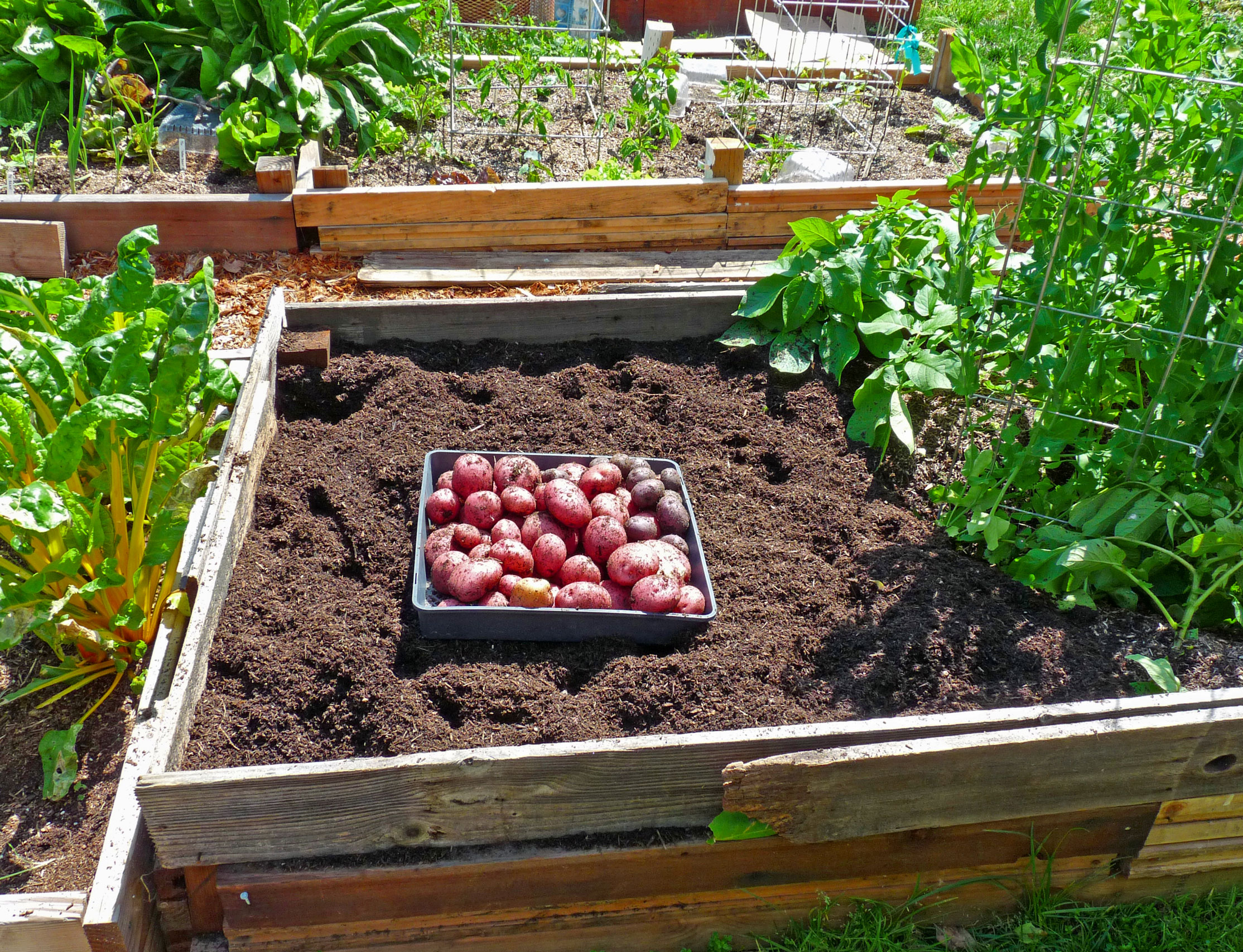
Red-skinned potatoes in the space that grew them

The Santa Clara Master Gardeners new Growing Charts list potatoes as a cool weather crop that should be planted in March or April. Which is great. I’ve got a few around here I’ve been meaning to tuck in somewhere. But, let’s just say it was November and you happened to find some red-skinned potatoes in the pantry sprouting their hearts out. And you also happened to have about 15 square-feet available in a bed that could be hilled pretty easily. Well, you couldn’t just toss the poor potatoes into the compost pile and leave that space bare ground, could you? Of course not! It’s worth a try isn’t it? And then when it was March or April, as your friends and neighbors were planting their potatoes, maybe you could be harvesting some of your own.

Potatoes and Peas

Potatoes and Peas

In other words, I planted potatoes at the exact opposite time of year that I was supposed to. I eventually tucked in some Sugar Daddy snap peas between the rows and hoped for the best.

And it was cold and wet this winter, more so than usual. And we had frost for several days in a row in January. And something chewed some of the leaves. And at the end there was a Blight panic which turned out just to be some sort of brown spots on the potato leaves from all the spring rain.

Of course, they also grew nearly 20 pounds of beautiful, delicious red-skinned potatoes. I also had one or two All Blue potatoes mixed in from seed I saved from last year. I gave the blues a lot of room because I think we got a disappointing harvest from them in 2009 because they were too crowded together.

Red-skinned potatoes“The Vegetable Growers Handbook” says that if you do things right you can expect 1 to 2 pounds of potatoes per square foot of potato plants grown. We ended up with nearly twenty pounds out of a scant fifteen or so square-feet. So I think that means the potato plants were happy and healthy enough even though they were planted to grow through the winter.

Certainly an experiment I would be happy to cook up again.

Wednesdays – Education You Can Eat

Leave a comment

Where does our food come from? How does it grow?  How does the way we grow food affect us, and the world around us? What is sustainable farming? What can we grow ourselves? How do we cook it? And, especially, how does it taste?

Education You Can Eat is a garden-centered hands-on program about food, nature, life cycles, cooking and nutrition. The program encourages participants to explore full food systems (“seed-to-table”) through both individual and group learning such as compost chemistry, bee gardening, nature journaling, botany experiments and cooking and preserving the harvest. Click here for a tour of the garden.

The program will meet on Wednesdays from 10:00-1:00 in the garden in the Santa Clara/Cupertino area starting April 28th, with a possible field trip to Full Circle Farm or Veggielution by arrangement with the group. (A June 9th Olivera Egg Ranch Tour will also be a wonderful addition to what we will be learning.)

The lead instructor for the program is Mackenzie Price, with assistance from, Joanna, a UCSC intern, and Gardener Juli. Parent participation is welcome and encouraged.

We have five spots available in the Wednesday program for kids working around the 2nd-4th grade level in Science. Please let us know by email if you would like a spot for your child. Send your message to dirt2dinner at gmail dot com.

We look forward to seeing you in the garden!

Spring Soup a la Dark Days

Leave a comment

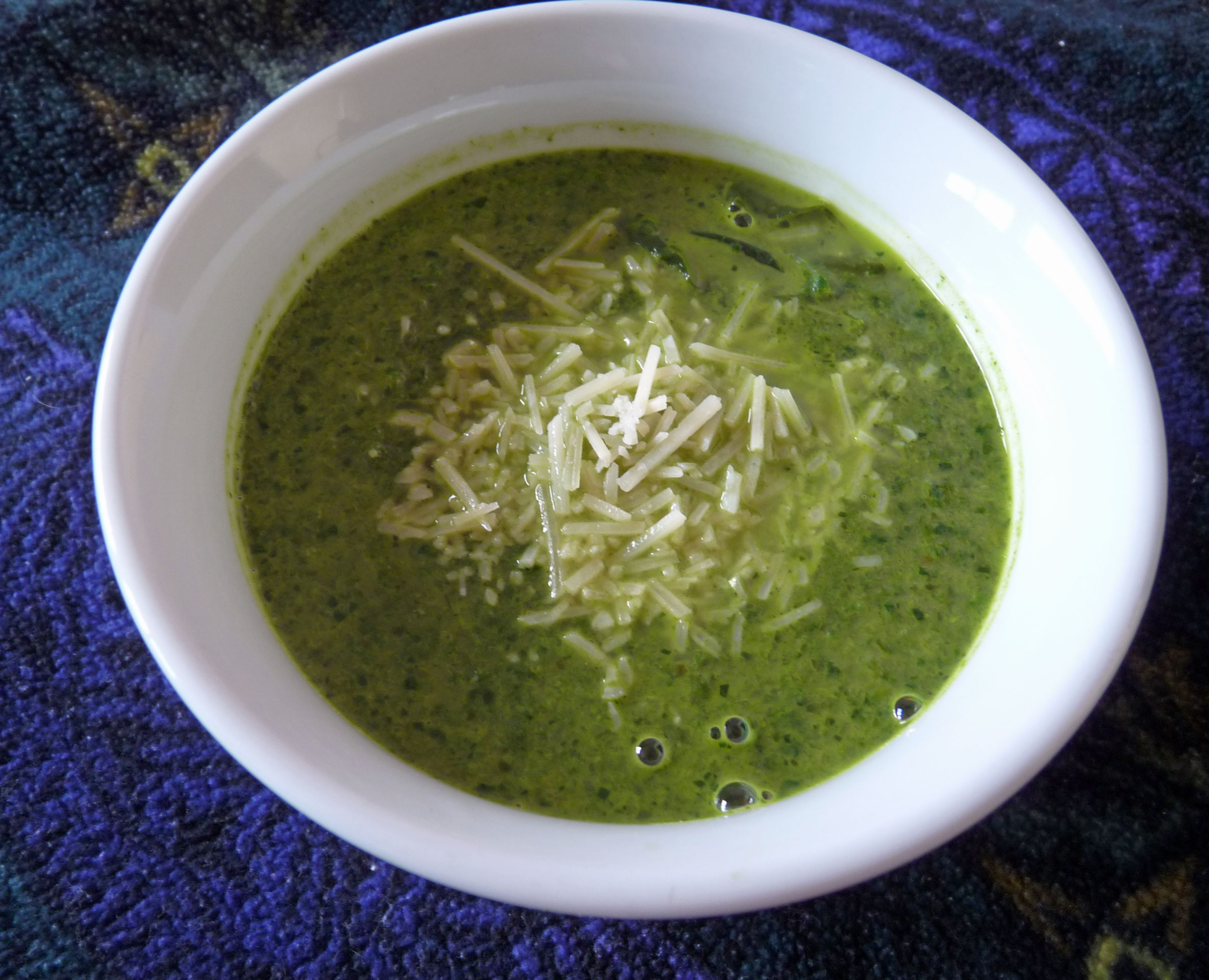
OK, the Dark Days Challenge is over now that we’ve made our way to the Spring Equinox and beyond, but in the spirit of those inventive and inspiring cooks, I offer you my Spring Soup.

Spring in a Bowl

One of the many things I have left over from the Dark Days is a chest cold that will not give up and go away. This morning I was reading in the new issue of Clean Eating about some recent research from UCLA on the anti-inflammatory effect of Brassicas on the respiratory tract.  Kale is a Brassica and there is kale in the Dirt to Dinner garden pretty much year round. I also had some nice chicken stock waiting for a good use. A delicious and curative soup began to simmer in the back of my mind. A quick tour through the garden turned up beautifully red Cincinnati Market radishes, Yellowstone carrots, a few small Nantes carrots, celery, Italian parsley, Tokyo Market turnips, a parsnip that looked a bit worse for wear and plenty of broad-leafed kale.

I saved half of the radishes for a braise I have been waiting to try with them, chopped up the rest and sautéed them in olive oil with an onion, a tablespoon of garlic and everything but the kale. When the vegetables were tender, I added the stock, turned up the heat a bit and quickly finished cleaning and chopping the kale. As soon as the stock was at a healthy simmer, I tossed in the kale and covered the pot for three minutes while I dug out the food processor.

With the kale wilted but still a nice bright green, I turned the soup down to Low and processed batches of it in the food processor until it was a lot smoother, but still a bit chunky. If you want more of a cream of kale soup, process until smooth. The finished product called out to me for a dusting of nice Parmesan. Sadly, not local, but I have to admit it was delicious. A dash of hot pepper might be tasty. I plan to try that in my next bowl. Enjoy!