Fun Stuff in the Garden

2 Comments
Yacon Start Newly Planted

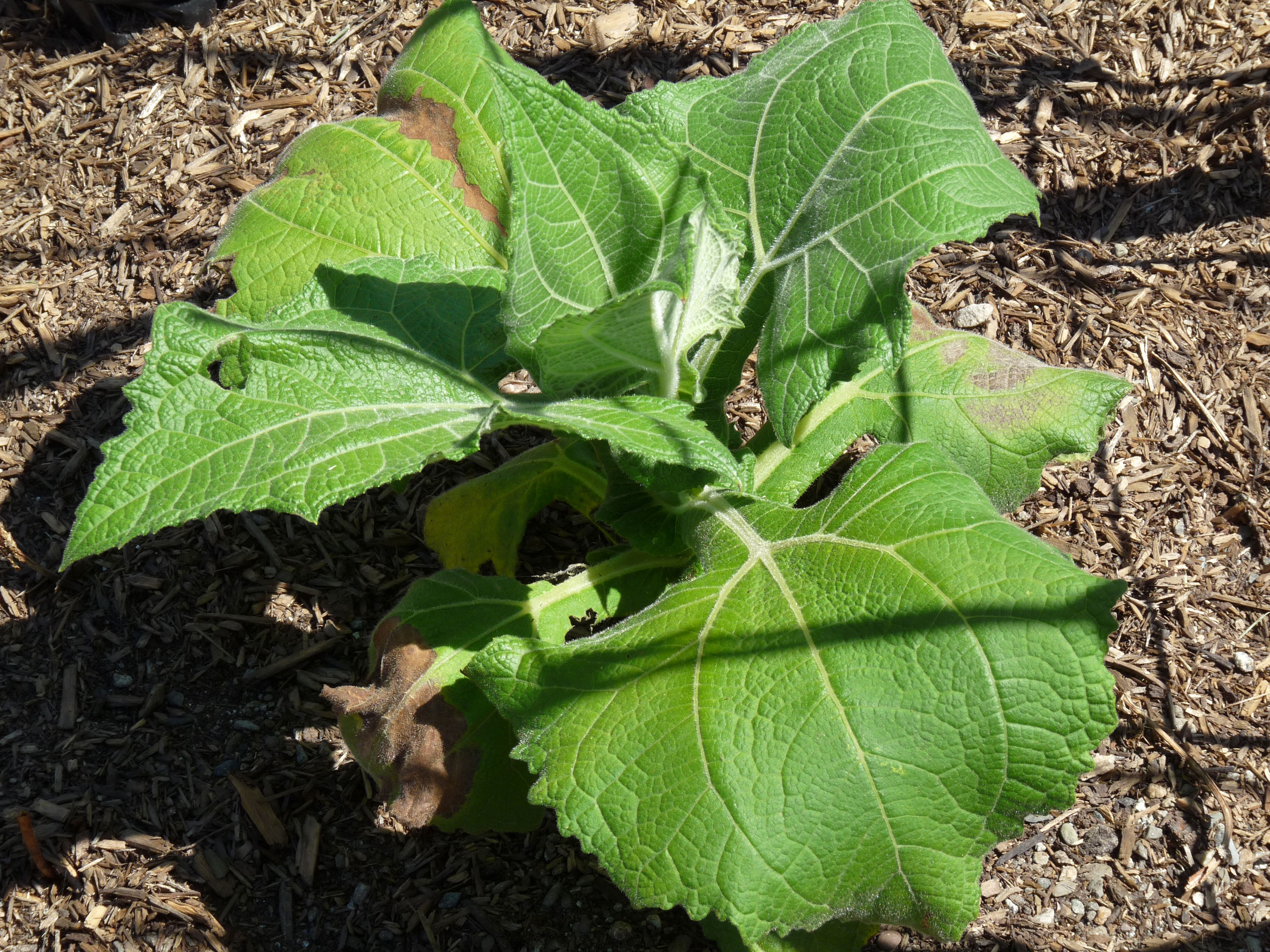
Yacon Start

We’re developing a few of our own standby’s in the garden, like the Principe Borghese tomatoes for drying, Costoluto Genovese tomatoes for eating fresh and Straight Eight cucumbers for slicing, but we’re also trying some new things this year just for fun. One of them is Bolivian Sunroot, also called yacon. The plant reproduces through a rhizome, but stores energy in sweet, crunchy tubers with a unique taste. They were described to me as something like a yicama-strawberry flavor, which I find hard to imagine but am looking forward to trying. The plants can grow over 6′ tall, so I have this one near a trellis post in case it needs staking later.
Brightest Brilliant Rainbow Starts

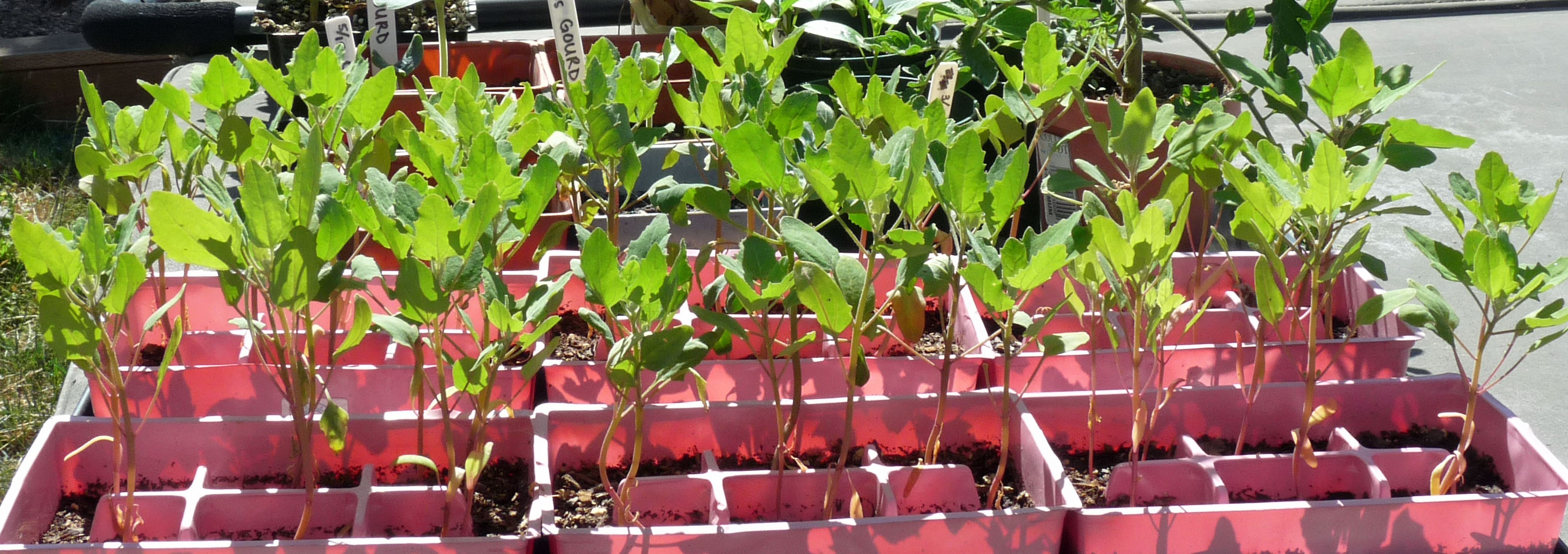
Brightest Brilliant Rainbow Starts

Another new friend in the garden this year is quinoa. I’m growing ‘Brightest Brilliant Rainbow‘ quinoa which is supposed to be good not only for the variously-colored seed heads, but for summer greens when the plants are young as well. I don’t grow wheat or corn because of allergies and am looking forward to exploring some of the other grain options that are possible for a home gardener.
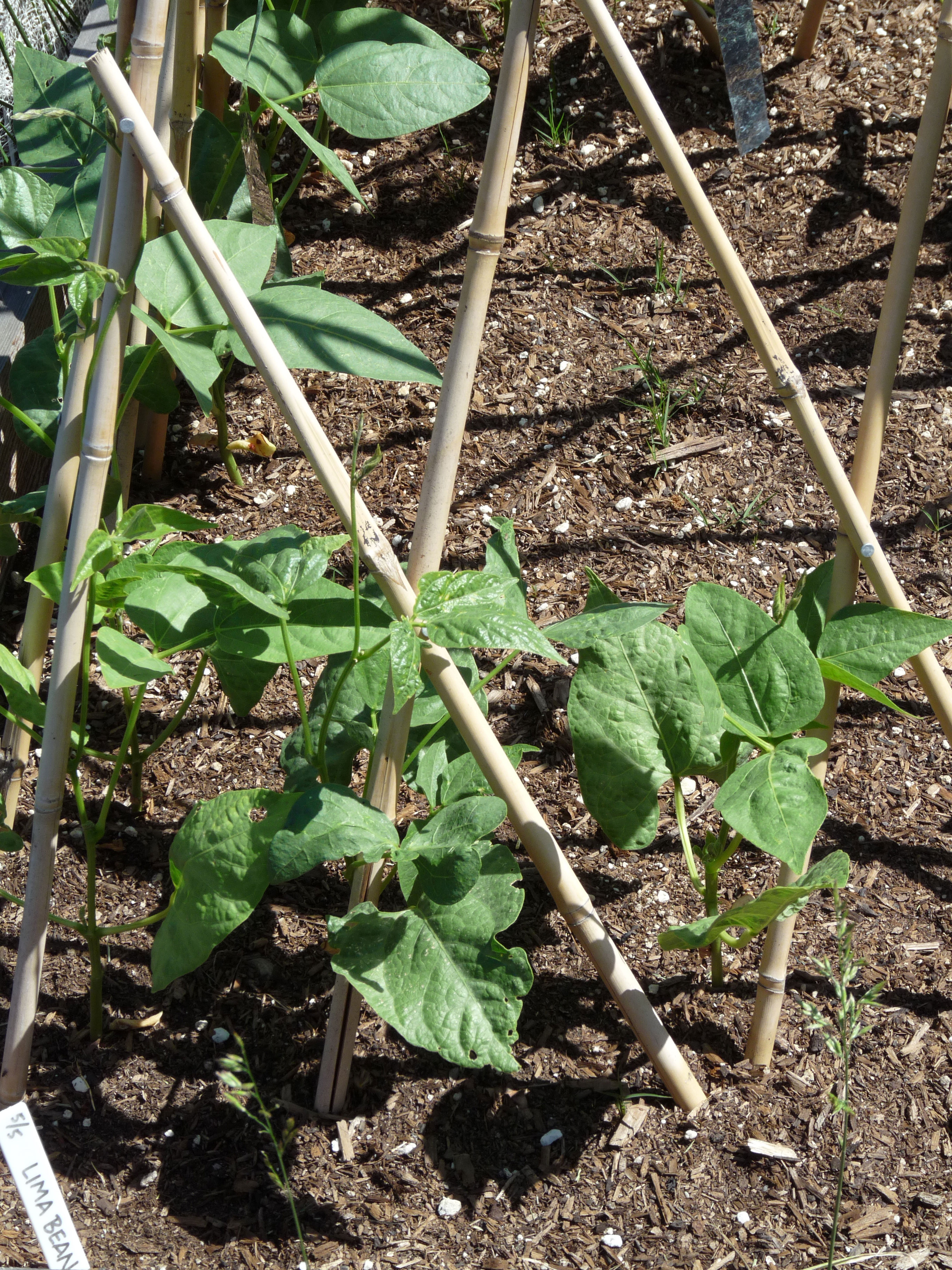
Lima beans starting up their trellis

Christmas in June

Lima beans are also new for us this year. I went with the ‘Christmas‘ Lima because I just couldn’t resist them in the catalog. The seeds are big and plump and have deep red striping on them. We grew a few Italian shelling beans last year that were delicious in soup and I think these will be gorgeous in a summer minestrone or on cooked their own. I was planning to pick half the plants and let the other half set seed for dry beans in the winter but as they are beginning to twine their way up the teepee, I’m already wondering how I’m going to do that. Might be time to plant another teepee of them specifically for drying. That would make it easier to deal with.

My family also really enjoys Black Bean Soup so I am trying several different varieties of Black beans this year to see which ones grow well for us. I have both bush and pole versions of a traditional variety grown by the Tarahumara Indians and some Black Turtle Beans to test.
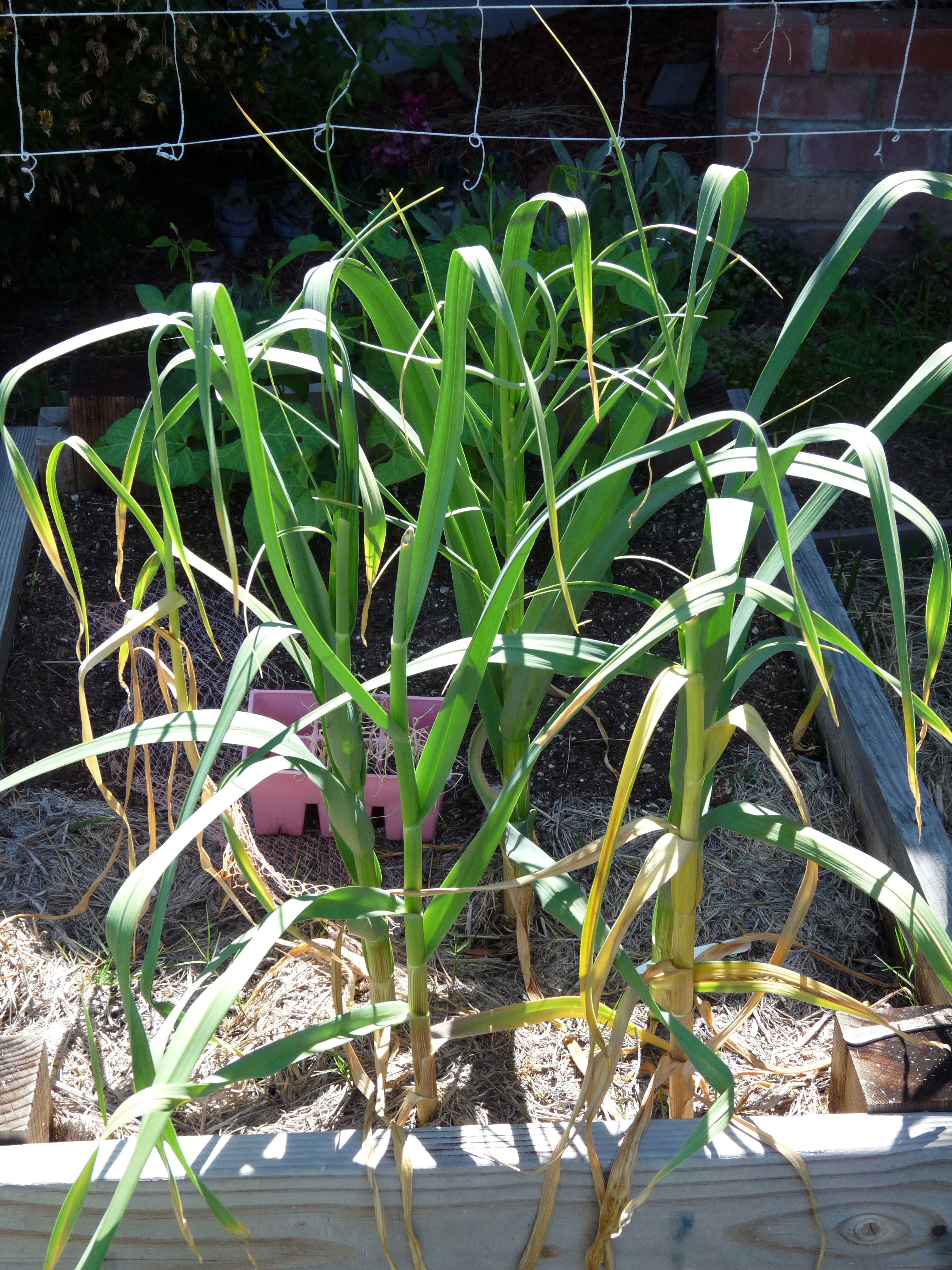
Garlic growing in Straw Mulch

Garlic growing in Straw Mulch

We also have a small test patch of garlic this year, and, if it works well, we’ll have a lot more of this cooking essential planted this fall. There are a lot of meals around here that begin with garlic and olive oil. It would be fun to have our own varieties growing in the garden for when we want them. If I can decide what kinds to grow. The Winter Gardening catalog from Territorial Seed has literally dozens of different kinds of garlic. I may have to order a sampler and see which ones do well here.

I have a feeling the first stems of our test garlic are going to be ready in a day or two, so we’ll have some idea what’s going on down there under the straw mulch. The drying process for onions and garlic sounds really simple and if this hot weather keeps up, we should be prepping some of both this week or next.
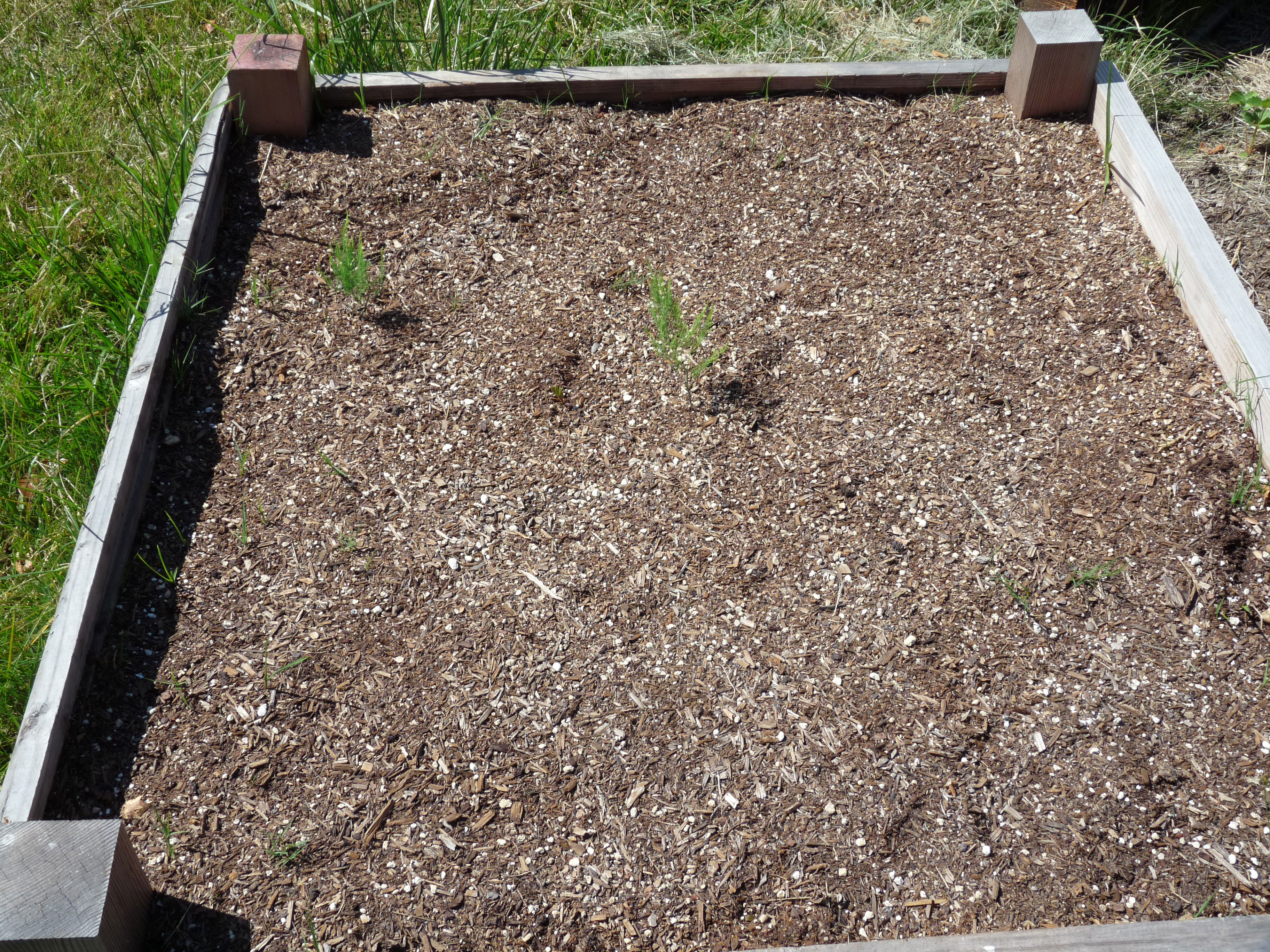
Hoping for Asparagus

Leave a comment
Mary Washington Asparagus Fail

Thin Pickin's

We finally did see two tiny tufted sprouts from the Mary Washington asparagus bed. I was actually about to dig the whole thing up to see what happened to them when I noticed the first one. Chalk it up to the weird wet cold spring. It’s not enough to keep me from over planting the bed in Tarahumara Chokame black beans, Catalina Spinach and Charentais melons. But still, two of the asparagus crowns are alive in there, and I left them enough space (I hope!) to develop through the summer and put down some roots for next year.

Asparagus from Seed

Italian Asparagus from Seed

My real hope is the Asparago Precoce d’Argentuil that I started from seed May 15th. Many of them have sprouted. They are tiny, thin, tall, fluffy things that move in the slightest breeze. I took this picture on the Sports/Action setting and it’s still not totally in focus. I probably breathed near them. In another week or two I will pot up the ones that I get into their own 4″ pots where they will spend the rest of this year. It takes about 305 days to get asparagus from this stage to the point where they have developed enough root crowns to go into the ground. That should see these guys planted out mid-March of 2011 ‘God willing and the creek don’t rise,’ as my Daddy would have said.

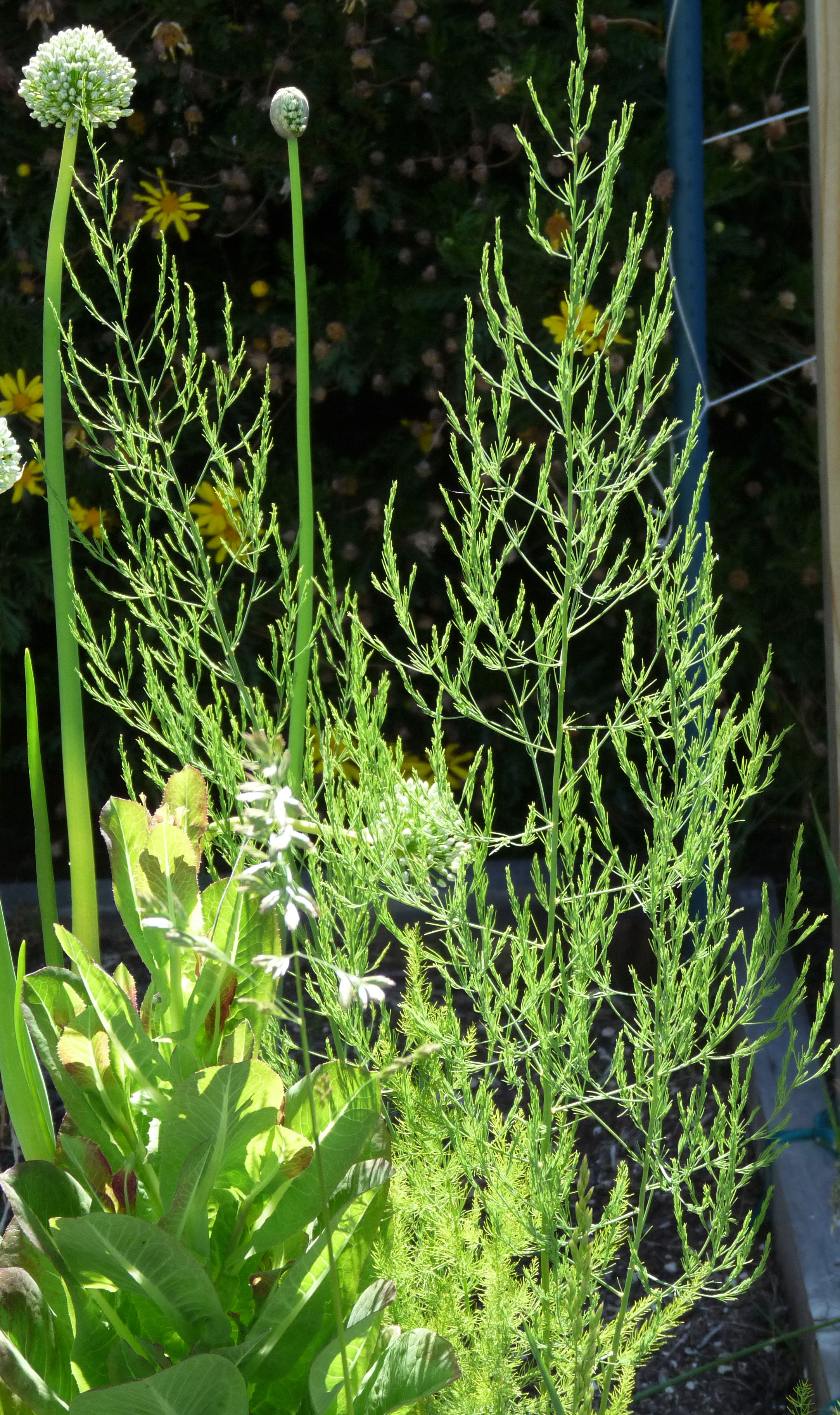
Asparagus Fronds

Purple Passion Fronds

There is one other hope in the asparagus department for next spring. In the fall of 2009 I put in four potted asparagus roots; two Mary Washington and two Purple Passion. They seem to have over-wintered well in spite of the onions, lettuce and carrots that surrounded them all year. Now they are sending up tall, broad fronds that should be nourishing the roots below and might give us our first taste of home grown asparagus next year. The potted roots were at least a year old when I bought them, so in the spring of 2011 they might be pushing three. If we’re lucky, and that creek don’t rise. ;-)

Starting Seeds – Take Two

1 Comment

The Mary Washington asparagus crowns never did sprout. It’s been a long, wet, cold spring here. Maybe they are still down there thinking about it. Probably the ground was too cold and wet when I put them in and they have succumbed to rot. I will dig them up when the sweet potato slips arrive from Sand Hill Preservation and see. In the mean time, I am starting asparagus from seed. Italian seed, no less. The packet says, “Asparago Precoce d’Argentuil” which I am pretty sure means early asparagus and leaves a bit to be desired on the descriptive end. For $2.99 I figured it was worth a try. I’ve already lost this year’s growth since the 1-year-old crowns didn’t make it and I really want enough asparagus to pickle some eventually. I broke down and bought asparagus this year, planning to pickle some of it, but we devoured it.

And speaking of things being devoured. Where are my beautiful Appaloosa beans? I know I planted an entire 4′ x 4′ of them! OK, it was mid-April. And that same wet, cold rainy spring that I mentioned earlier. But still, they are in a raised bed against the house in a nice sunny spot. ONE bean came up–and something ate the top of it off. Ugh. Remind me to reseed that planter bed now that it is finally warming up. Where did I just read not to rush to plant your bean seeds because you will just end up wasting a lot of seeds? Sometimes I think I am just gardening to learn patience.

But then I have a week of eating like we just had. I have a big board in the kitchen and last weekend I wrote down everything in or from the garden that was ready for us to eat; shell peas and snap peas, potatoes, salad greens, spinach, chard, beets, green onions, strawberries, oregano, celery, chives, carrots and the last of the kale and parsnips. Then I set about eating or finding a way to preserve all of it. It was actually fun trying to ‘live off the land’ there for a little while. And the vegetable curry I prepared in the middle of the week made it all worth while.

Today I also started some of the Principe Borghese tomatoes that I love for drying. I know, it’s mid-May. But last year, I was wishing I had started a second round of them by the time the first group were finished and the tomatoes were all in the dryer. Assuming it ever warms up this year, I may want them again. I also started Bottle, Dipper and Corsican Hard-shelled gourds. It’s probably warm enough for them to sprout outside, the watermelons and pumpkins are coming up, but I figured, why torture the poor things? They can get started under the grow lights with the last of the peppers and go into the garden when it really is ready for them. Plus, I don’t know where I am going to put them yet. And there’s all those sweet potatoes yet to fit in.

And did I mention that I started 40 or so quinoa plants? I was thinking about experimenting with a quinoa and sunflower version of The Three Sisters. I got some nice looking Hopi sunflowers from Native Seeds to mix in with the quinoa. I started a couple varieties of pumpkins in the bin to shade the soil and keep the weeds down. And I’m wondering if I can grow some pole beans up the quinoa. I think the sunflowers will be strong enough. The quinoa part might be crazy. I’m still reading up on it.

Wednesdays – Education You Can Eat

Leave a comment

Where does our food come from? How does it grow?  How does the way we grow food affect us, and the world around us? What is sustainable farming? What can we grow ourselves? How do we cook it? And, especially, how does it taste?

Education You Can Eat is a garden-centered hands-on program about food, nature, life cycles, cooking and nutrition. The program encourages participants to explore full food systems (“seed-to-table”) through both individual and group learning such as compost chemistry, bee gardening, nature journaling, botany experiments and cooking and preserving the harvest. Click here for a tour of the garden.

The program will meet on Wednesdays from 10:00-1:00 in the garden in the Santa Clara/Cupertino area starting April 28th, with a possible field trip to Full Circle Farm or Veggielution by arrangement with the group. (A June 9th Olivera Egg Ranch Tour will also be a wonderful addition to what we will be learning.)

The lead instructor for the program is Mackenzie Price, with assistance from, Joanna, a UCSC intern, and Gardener Juli. Parent participation is welcome and encouraged.

We have five spots available in the Wednesday program for kids working around the 2nd-4th grade level in Science. Please let us know by email if you would like a spot for your child. Send your message to dirt2dinner at gmail dot com.

We look forward to seeing you in the garden!

Bridging the Hungry Gap at Dirt to Dinner

1 Comment
Fresh peas

No Time to Cook These Peas

Historically speaking, this time of year was often referred to as the ‘hungry gap’ when food stored for the winter was running low–or running out–and spring crops had yet to produce. But this year the Dirt to Dinner garden is doing its best to bridge the hungry gap.

Yesterday we picked a big bowl full of ‘Petit Pois‘ shelling peas so sweet we ate every last one of them before we even started cooking. Today we tried the ‘Telephono‘ peas.  And there are four other varieties of peas ready to pick and six coming on soon.

There are lettuces for salad, along with celery, spinach and the last of the wintered-over kale, arugula, scallions and snow peas. There are still some carrots, parsnips, rutabagas, turnips and radishes in the ground. And the potato patch planted on Christmas is just starting to pass its peak of leaf growth. If we reached around under those slightly weathered branches, I’m sure we could find some new potatoes. And we may have to, as the last Dirt to Dinner ‘All Blue’ potato accompanied a pot roast into the slow cooker earlier this week.

Mini Purplette Onions

'Purplette' Onions Before the Dryer

There are plenty of herbs around to flavor whatever we do find to eat. We have chives, sage, thyme, oregano, rosemary and parsley all doing well, and some marjoram trying to fight its way back to full vigor. Some of the herbs are already finding their way into the dehydrator. Today we did three full trays of thyme leaves. Tomorrow I plan to add slices of green onion to the drying list as there are beautiful stems of ‘Purplette Bunching’ onions ready in the middle of the asparagus bed. There are also bulbing onions tucked here and there around the garden that we could pull and eat if we needed to.

But, thankfully, we don’t. We can wait and plot and plan for summer’s tomatoes, basil, beans, cucumbers, squash and melons. And sip fresh lemonade as we count the blossoms on the apricot, cherry, nectarine and apple trees. For this year at least, no one will be hungry in the Dirt to Dinner garden.